Your heart in perimenopause: what the research is actually telling us
Cardiovascular risk doesn't wait for menopause, and the perimenopausal window may matter more than you think.
Articles
Honest, evidence-informed writing on fitness, hormones, and every stage of a woman's life. No fads, no generic advice.

Cardiovascular risk doesn't wait for menopause, and the perimenopausal window may matter more than you think.

Perimenopause weight loss can feel just as confusing as weight gain, here's how to fuel and strength-train your way through it.

Sarcopenia isn't just for your seventies—it can start in your thirties, and what you eat now shapes your strength for decades.

Most protein advice for women isn't backed by science. Here's what the research actually says about how much protein active women need.

Most women are undermuscled and undereating protein. Here's what the science says about your actual needs.

If you're waking up wrecked despite eight hours in bed, your hormones might be the reason—not stress, not age.

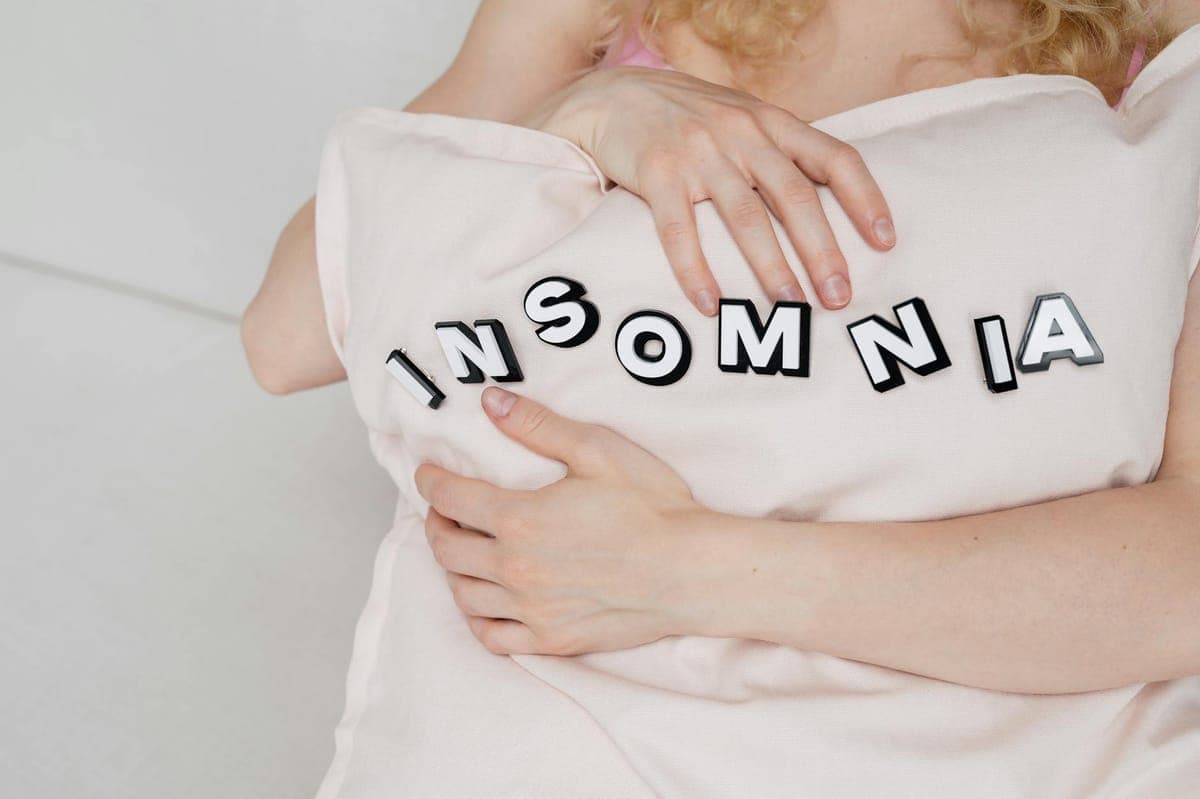
That 3am ceiling stare? It's not a character flaw—it's biology. Here's what's really happening to your sleep during perimenopause.

Your body's changing during perimenopause—and understanding why metabolic shifts happen can help you work with your biology, not against it.

The first months after birth can feel overwhelming. Research suggests that gentle movement may help lift mood and build emotional resilience for new mums.

Under-fueling is incredibly common for new mums—but running on empty has real consequences for your recovery and energy levels.

Your body stops using protein the same way it did in your 30s — here's what that means for your plate, your workouts, and your muscle.

The right exercise routine may be your most powerful tool against bone loss—and research reveals exactly what works.

Your period used to be reliable. Now it's unpredictable. Here's what's really happening in your body during perimenopause.

Something shifts in your 40s—and it's not your imagination. Here's what's actually happening to your body.

As estrogen drops in your 40s, your fitness strategy needs to change—here's what the science says.

A systematic review reveals what actually helps with perimenopause symptoms—and what the research hasn't yet tested.

Breastfeeding burns serious energy - here's what your body actually needs to thrive while feeding your baby.

Crunches won't fix your postpartum core—here's why activating the deep system first actually works.

Your muscles rebuild stronger after every workout—but are you giving them the protein they need to grow?

The standard protein recommendation isn't designed for women who move. Here's what your body actually needs to thrive.

You're leaving your biggest performance gains on the table if you're skimping on sleep—and it's costing you nothing to fix.

Science-backed research on 51 real women proves that modest strength training can dramatically shift how you feel in your 40s and beyond.

Every woman with ovaries will eventually face menopause—yet 94% say they received zero education about it. Here is what you actually need to know.

That 3 a.m. wake-up isn't poor sleep hygiene—it's biology. And new research confirms it's putting your heart at serious risk.

That stubborn belly fat during menopause isn't a willpower problem—it's biology. Here's what's actually happening and what to do about it.

3.5% of women experience POI before age 40—yet most don't learn about it until diagnosis. Here's what you actually need to know.

Over 40% of women over 50 will suffer osteoporotic fractures—but science shows a powerful, drug-free countermeasure most aren't using.

During menopause, your bones are quietly losing density—here's the science-backed exercise protocol that fights back.

That 'off' feeling isn't in your head—it's your hormones signaling one of the biggest transitions your body will ever make.

You don't need to be fit to start strength training. You need to start strength training to get fit. Here's why it's the right first investment.

There's a lot of noise around fitness after 40. Powdered collagen. Metabolism boosters. Programs designed to make you feel like your body has fundamentally betrayed you. Most of it is nonsense.

Your progesterone started declining before your oestrogen did — and that's why you're feeling things you can't quite explain yet.

Your GP said six weeks. The internet said whenever you feel ready. The truth is more nuanced — and understanding it might be the most important thing you do for your body after having a baby.

The metabolic changes of menopause are real, measurable, and not your fault. But understanding what's actually happening is the first step to working with your body, not against it.

Your body is flooded with cortisol at 3am for no reason — and it's not your fault. Here's the hormonal mechanism behind perimenopause insomnia, and what actually helps.

After menopause, your bones lose oestrogen protection at an accelerating rate. The research is clear: strength training doesn't just slow this process — it can reverse it.

It's common, it's normal, and most information about it is wrong. Here's what every postnatal woman needs to know about abdominal separation.