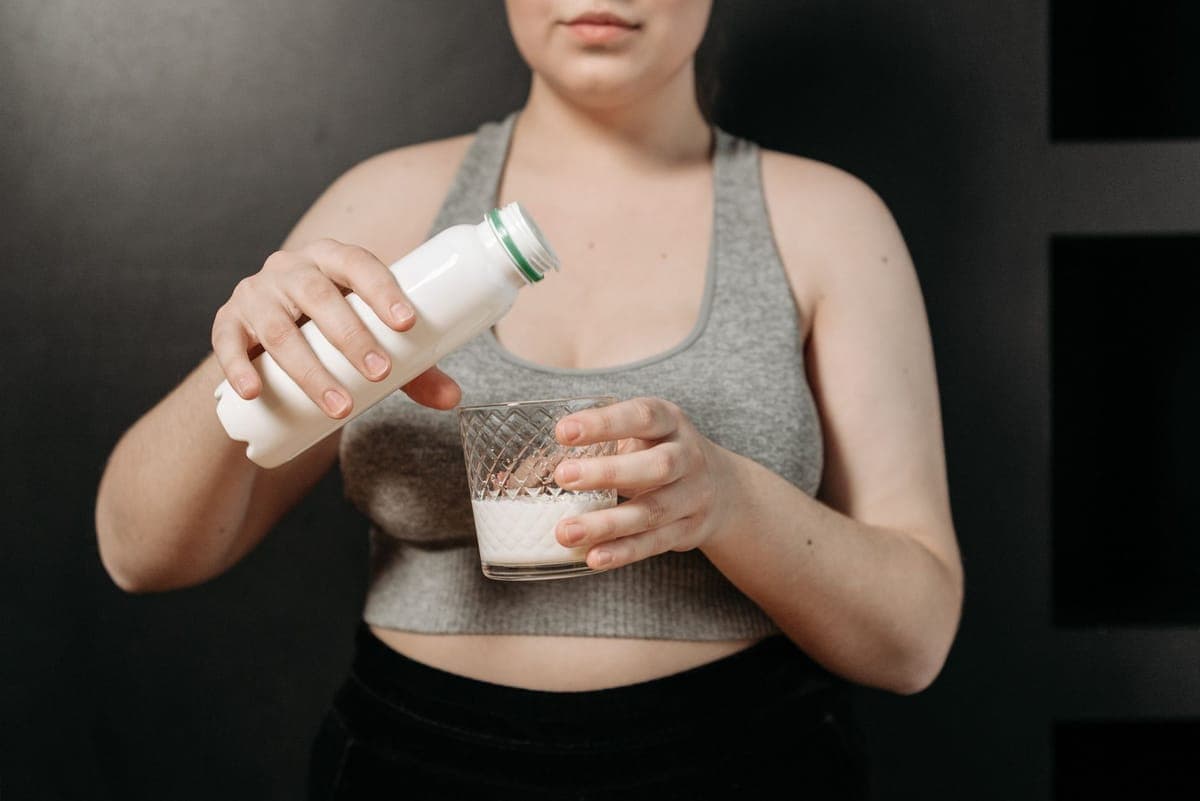
Sarcopenia isn't just for your seventies—it can start in your thirties, and what you eat now shapes your strength for decades.
The Muscle Loss You Didn't See Coming
Sarcopenia sounds like something that happens in your seventies. But this age-related loss of skeletal muscle mass and strength can start as early as your thirties—and by your forties, it may already be underway.
Most women focus on muscle in terms of how it looks. The conversation worth having is about what your muscles actually do: keep you steady on your feet, capable of lifting groceries, and independent enough to live on your own terms as you age. When muscle declines, the risks extend well beyond aesthetics. Sarcopenia increases the risk of falls, fractures, and mortality, and impairs the ability to perform daily activities. These aren't distant possibilities. They're measurable health outcomes.
The Numbers Are Closer Than You Think
Research drawing from NHANES 2011-2014 cycles found that among middle-aged adults, 15.6% of men and 13.4% of women had low lean mass. When it came to measurable weakness—assessed using handgrip strength and defined using the Foundation of the National Institutes of Health criteria—the figures were 3.5% of men and 2.3% of women.
Those numbers matter for two reasons. First, they show this isn't rare. Second, the assessment method matters. Handgrip strength isn't about grip endurance or gym performance. It's a validated proxy for overall muscle function and a predictor of future mobility limitation. If your grip is weakening, it's worth paying attention to what else might be changing beneath the surface.
Why Your Thirties and Forties Matter More Than You Think
The research gap used to be significant. Studies had established that protein intake predicts skeletal muscle mass and strength among older adults. But whether the same relationship existed for middle-aged people was unclear.
It turns out it does.
Those with lower protein intake were more likely to exhibit low lean mass and weakness compared to those with higher intakes of protein. This matters because it means the foundations of what becomes later-life sarcopenia may be laid decades before symptoms become obvious.
Think of it like bone density. You build and maintain during your younger decades. By the time you're in your fifties, the window for prevention has narrowed. The same applies to muscle. The habits you build in your forties influence what your body looks like in your sixties and seventies.
Protein and Muscle: What the Research Shows
The connection between higher protein intake and better muscle outcomes isn't just theoretical. Research indicates that meeting protein intake at the Recommended Dietary Allowance of 0.8 grams per kilogram of body weight is associated with higher skeletal muscle mass and strength among middle-aged men and women.
To be clear: this isn't a call to start calculating your protein needs with precision or make dramatic dietary changes. It's an observation that where protein intake sits relative to basic recommendations appears to track with measurable differences in muscle mass and strength in this age group.
For context, a 65-kilogram woman would target roughly 52 grams of protein daily at that threshold. Whether that figure is right for you depends on your individual circumstances, activity levels, and health profile—things worth discussing with your doctor.
What This Means in Practice
Exercise supports muscle. Resistance training in particular places load through your skeleton, which signals your body to maintain and build tissue. When combined with adequate protein intake, this creates conditions that support muscle health over time.
You don't need to become a bodybuilder. Consistent loading through progressive resistance work—twice a week or more—is associated with meaningful improvements in strength and functional capacity in most adults. The key is consistency and progressive challenge.
A Straightforward Starting Point
If you're a woman in your forties or fifties and this is new information, here's a practical place to begin.
Look at where protein sits in your current diet. Sources like fish, poultry, legumes, dairy, and eggs provide amino acids that your muscles use for repair and maintenance. Spreading intake across meals rather than concentrating it at dinner may support muscle protein synthesis more effectively, though individual needs vary.
You don't have to overhaul everything at once. Adding a protein source to breakfast, ensuring lunch contains adequate lean protein, and paying attention to recovery nutrition after strength sessions is a reasonable approach for most people.
Beyond nutrition, the single most evidence-based intervention for muscle health is resistance training. If you haven't lifted weights in years, start with bodyweight or very light loads and build from there. A physiotherapist or exercise physiologist can help you develop a programme suited to your starting point.
If you have concerns about muscle loss, strength, or how your current activity levels compare to what's needed for healthy ageing, talk to your doctor about your specific situation. They can help you determine whether further assessment is warranted.
Educational content only. Not a substitute for medical advice. Talk to your doctor about your specific situation.
References
- Shinyoung Jun, Alexandra E Cowan, Johanna T Dwyer, Wayne W Campbell, Anna E Thalacker-Mercer, Jaime J Gahche, Regan L Bailey, Dietary Protein Intake Is Positively Associated with Appendicular Lean Mass and Handgrip Strength among Middle-Aged US Adults, The Journal of Nutrition, Volume 151, Issue 12, December 2021, Pages 3755–3763
- Calderón P, Jima Gavilanes D, Vivanco-Zárate AS, Sarango-González KP. (2026). The role of protein quality and amino acid composition in preventing sarcopenia and functional decline in older adults.. Frontiers in nutrition
- Swati, Sharma M, Agarwal M, Choudhary D. (2026). Nutritional pathways from treatment to management of sarcopenia in patients with gastric cancer: a narrative review.. Korean journal of family medicine
- Qaisar R, Hussain MA, Naheed S, Saeed K, Karim A, Ahmad F, Haider S, Alhussain MH, Alkahtani SA. (2026). Low Protein Intake Is Associated with the Risk of Functional Impairment in Older Adults in an Age- and Gender-Specific Manner: A SHARE-Based Study.. Nutrients
Common Questions
What is sarcopenia and when does it typically start in women?
Sarcopenia is the progressive loss of skeletal muscle mass and strength that occurs with ageing. While it's often associated with older adults, research suggests this process can begin as early as your thirties. By your forties, measurable changes in muscle function may already be underway. The good news is that understanding this timeline gives you the opportunity to build protective habits before significant decline occurs.
How much protein do women need to support muscle maintenance?
Research indicates that meeting the Recommended Dietary Allowance of 0.8 grams of protein per kilogram of body weight is associated with higher skeletal muscle mass and strength among middle-aged women. Rather than calculating with precision, focusing on including protein-rich foods at each meal—such as lean meats, fish, eggs, legumes, and dairy—can help you consistently meet your needs. Individual requirements vary based on activity levels and body composition goals, so chatting with an Accredited Practising Dietitian can provide personalised guidance.
What are the warning signs of muscle loss I should watch for?
Handgrip strength is a validated indicator of overall muscle function and a predictor of future mobility limitations. If you notice your grip weakening—perhaps struggling with jar lids or carrying heavy shopping bags—this may reflect broader changes in muscle quality. Other signs include feeling less stable on your feet, decreased endurance during previously manageable activities, or unexplained weakness. Noticing these changes early allows you to respond with appropriate strength training and nutrition adjustments.
Can I prevent or reverse muscle loss after age 40?
While the body becomes less efficient at building muscle with age, meaningful prevention and improvement remains possible throughout midlife and beyond. The research suggests that protein intake continues to predict muscle outcomes in middle-aged adults, meaning it's never too late to optimise your nutrition and exercise habits. Consistent strength training, adequate protein, and progressive overload all contribute to maintaining or rebuilding muscle. Talk to your doctor before starting a new exercise program if you have any underlying health conditions.
Why does sarcopenia matter beyond how my muscles look?
Muscle loss carries real health consequences that extend well beyond aesthetics. Sarcopenia increases the risk of falls, fractures, and mortality, and impairs the ability to perform daily activities independently. Research shows that even in middle age, measurable muscle weakness is associated with future mobility limitations. Your muscles enable you to live on your own terms as you age—carrying groceries, maintaining balance, and staying independent. Prioritising muscle health is an investment in your future capability and quality of life.
Jess Mizzi, CPT
Certified Personal Trainer and founder of FitForHer. Specialises in women's life-stage specific fitness — postnatal recovery, perimenopause, and menopause. About Jess →
Medical disclaimer: This article is for informational purposes only and does not constitute medical advice. Always consult a qualified healthcare professional before making changes to your exercise or nutrition programme.