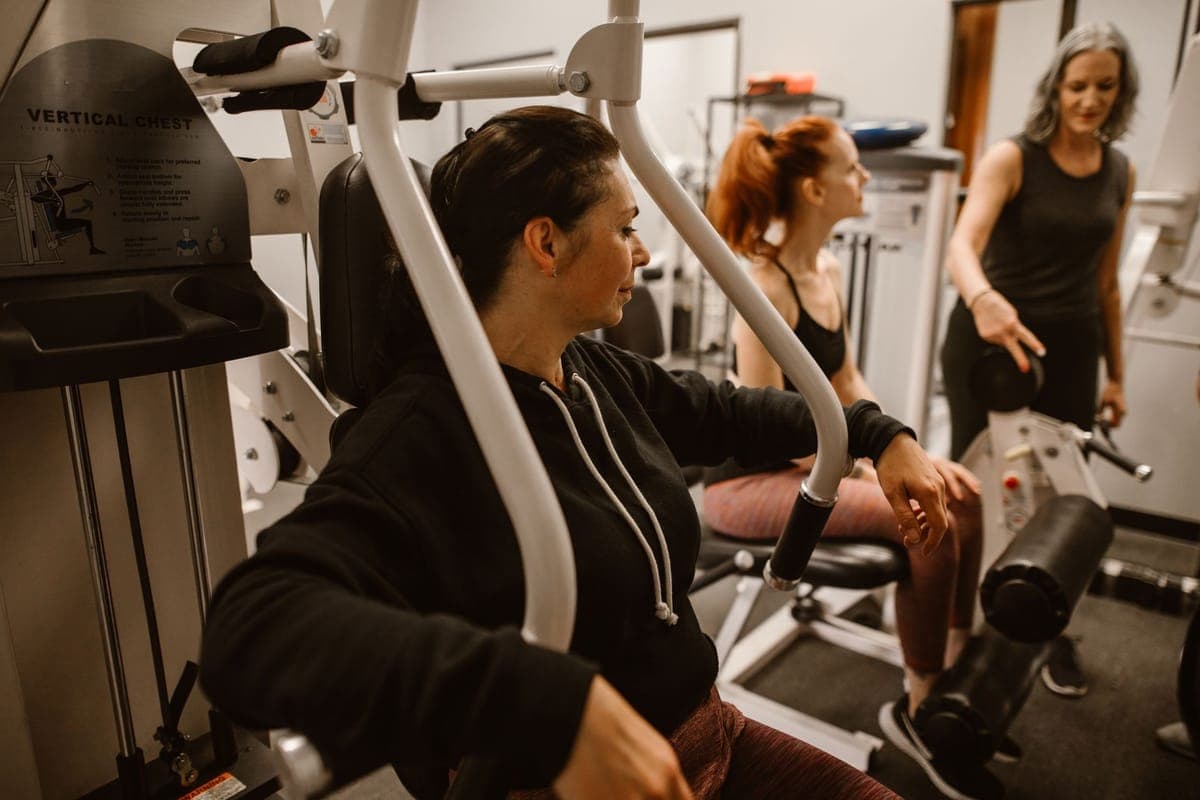
Most women are undermuscled and undereating protein. Here's what the science says about your actual needs.
The strength gap most women don't know about
Here's something worth knowing: muscle mass peaks in our 30s and then starts a long, slow decline. It's not a failure of willpower or a sign something went wrong. It's biology.
And here's the uncomfortable part: as a country, we are undermuscled. Muscle loss, also called sarcopenia, affects more than 45% of older Americans, especially women. A 2019 study found that nearly half of women aged 50 and older fall short of their protein needs. That's not a lifestyle problem. That's a structural gap in how most of us were taught to eat.
Why does this matter? Loss of strength increases the risk of falling, the top cause of death from injury in older adults. The conversation around ageing often focuses on bone density, heart health, and preventive screenings. Those are all valid. But muscle deserves equal billing. Strength is what keeps you moving, independent, and upright.
The science of staying strong
Resistance training is key, but equally important is eating adequate amounts of protein. You can lift weights every day and still short-change your body if you're not giving it the raw material to rebuild.
Protein is critically important because it's in all our cells, including muscle cells, and our bodies constantly recycle it. There's a steady demand for new supplies, and protein-rich foods provide the amino acids that become the building blocks of the new proteins our bodies need. As we age, the goal is to consume protein from food at a faster rate than our body is breaking it down. Think of it like a maintenance schedule: if you're removing more than you're replenishing, something will eventually give.
How much protein do women actually need?
The recommended intake is a minimum of 0.8 grams of protein per kilogram of body weight. In more familiar terms, that's about 0.36 grams of protein multiplied by your weight in pounds. For a 150-pound person, that works out to at least 54 grams of protein a day.
But here's where it gets more nuanced. Sports medicine experts suggest up to 1.7 grams of protein per kilogram of body weight each day for active individuals. That translates to about 115 grams for a 150-pound person. A 2019 study found that about 30% of men in their 50s and 60s fall short of recommended protein intake, and nearly half of women aged 50 and older do. If you're strength training regularly, your needs sit higher on that spectrum.
Protein-rich foods that actually deliver
You don't need supplements or expensive powders. Whole foods cover the bases.
Greek yogurt is a great source of protein at about 17 grams per ¾ cup serving. Add it to your morning routine and you've already covered a meaningful chunk of your daily target. Eggs are another accessible option: 6 grams of protein for a large egg. Two or three with toast and avocado gets you 12 to 18 grams before you even leave the kitchen.
Seafood is worth prioritising. Cod delivers approximately 40 grams per serving. Salmon and tuna offer approximately 30 grams per serving. These aren't exotic luxuries. Canned tuna and frozen fish fillets are budget-friendly staples that slot into weeknight meals without much effort.
If you're looking for plant-based options, seeds are underrated. Hemp and pumpkin seeds provide around 8 grams for a ¼ cup serving. Toss them on salads, blend them into smoothies, or snack on them straight from the jar.
Putting it into practice
Spreading protein across the day tends to work better than cramming it into dinner. Your body can only synthesise muscle from a certain amount at once. Three meals with 25 to 30 grams each is a more effective strategy than one giant protein-focused dinner.
Pair your meals with resistance training. The two reinforce each other: food provides the building blocks, and exercise signals your body to use them. Women who prioritise both tend to maintain functional strength well into later life.
If you're unsure where you currently sit, try tracking your intake for a few days. Many women discover they're closer to 40 or 50 grams and have room to adjust. Small shifts, like adding Greek yogurt at breakfast or choosing salmon over a lower-protein alternative at dinner, add up.
There's no need to overhaul everything at once. Build the habit around one protein-rich food you actually enjoy, then layer in another. Your future self will thank you for the effort.
Educational content only. Not a substitute for medical advice. Talk to your doctor about your specific situation.
References
- Yosef T, Pasco JA, Tembo MC, Holloway-Kew KL. (2026). Hip Abductor Strength Predicts Injurious Falls and Mediates the Balance Confidence-Falls Relationship: A Competing Risk Model.. Journal of cachexia, sarcopenia and muscle
- Popescu C, Aurelian SM, Mirea A, Munteanu C, Vlădulescu-Trandafir AI, Anghelescu A, Oancea C, Andone I, Spînu A, Suciu AV, Stoica SI, Gîdei SM, Alecu VM, Gîță CD, Pop NL, Ciobanu V, Onose G. (2026). Sarcopenia as a Multisystem Disorder-Connections with Neural and Cardiovascular Systems-A Related PRISMA Systematic Literature Review.. Life (Basel, Switzerland)
- Kotlega D, Kobus-Kotlega K, Szczuko M. (2025). Narrative Review on Post-Stroke Outcomes Through Recognition of Frailty, Sarcopenia, and Palliative Care Needs.. Healthcare (Basel, Switzerland)
- Brough L, Rees G, Drummond-Clarke L, McCallum JE, Taylor E, Kozhevnikov O, Walker S. (2025). Can Dietary Supplements Support Muscle Function and Physical Activity? A Narrative Review.. Nutrients
Common Questions
How much protein do women need per day for strength training?
The general recommendation is at least 0.8 grams of protein per kilogram of body weight daily. However, active women who regularly strength train may need between 1.2 and 1.7 grams per kilogram. For a 70kg woman, that's roughly 56 to 119 grams of protein daily. Spreading intake across meals and prioritising protein after workouts may support muscle repair and growth. Talk to your doctor or an Accredited Practising Dietitian about your specific needs based on your activity level and goals.
Why do women need more protein as they age?
Muscle mass typically peaks in our 30s and then gradually declines, a process called sarcopenia. Research suggests nearly half of women aged 50 and older don't meet their protein needs, which may accelerate this muscle loss. Adequate protein intake paired with resistance training may help preserve muscle mass and support strength and mobility as you age. This is particularly relevant during perimenopause and menopause when hormonal changes can further affect muscle maintenance.
What are the best whole-food protein sources for women?
You don't need supplements or protein powders to meet your protein needs. Excellent whole-food sources include Greek yogurt (about 17 grams per ¾ cup), eggs (6 grams each), salmon, cod, chicken breast, legumes, cottage cheese, and tofu. Building meals around these foods makes reaching your protein target achievable without processed products. Including a variety of protein sources throughout the day ensures you're getting a range of amino acids and other nutrients.
Can I build muscle without eating meat or animal products?
Plant-based protein sources can absolutely support muscle building when consumed in adequate amounts. Legumes, tofu, tempeh, edamame, quinoa, and seitan all provide substantial protein. Combining different plant proteins throughout the day helps ensure you're getting all essential amino acids. Plant-based eaters may need slightly higher total protein intake due to slightly lower digestibility. An Accredited Practising Dietitian can help you plan balanced plant-based meals that support your strength goals.
Does timing matter for protein intake?
Research suggests distributing protein evenly across meals—aiming for roughly 25 to 30 grams per meal—may be more effective for muscle maintenance than concentrating intake at dinner. Consuming protein after resistance training may also support muscle recovery, though total daily intake matters more than exact timing for most people. Starting your day with a protein-rich breakfast rather than carb-heavy options may help you reach your daily target more easily. Consistency across days is key for long-term muscle preservation.
Jess Mizzi, CPT
Certified Personal Trainer and founder of FitForHer. Specialises in women's life-stage specific fitness — postnatal recovery, perimenopause, and menopause. About Jess →
Medical disclaimer: This article is for informational purposes only and does not constitute medical advice. Always consult a qualified healthcare professional before making changes to your exercise or nutrition programme.