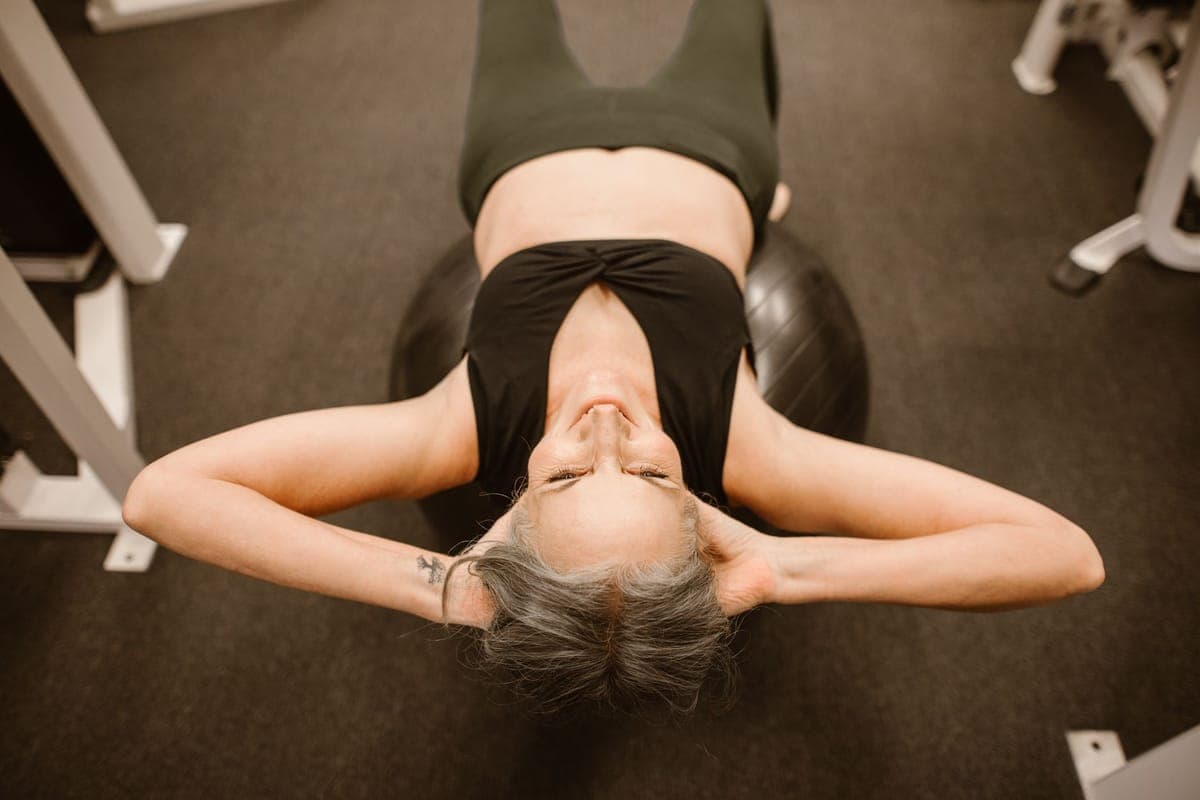
Hot flushes are just the headline. Here is what is actually happening in your body during menopause and what movement can do about it.
The Menopause Conversation No One Hands You a Map For
You know that friend who sailed through her forties and then, somewhere around 51, felt like a stranger moved into her body? That is not a failure of willpower or fitness. It is menopause doing what menopause does, and the conversation around it has been historically undercooked for women who train, lift, run, and care about feeling strong in their own skin. So let's actually talk about it, beyond the hot flush jokes and the dismissive hand-waving.
The hormonal shifts that drive menopause don't politely limit themselves to night sweats. They touch sleep, mood, metabolism, bone density, cardiovascular health, and how your body stores fat. If your training suddenly feels harder to recover from, or your body composition is shifting in ways it never used to, that's worth understanding rather than fighting.
What Is Actually Happening Inside
Changes in hormone levels during menopause can cause symptoms such as hot flushes, night sweats, sleeping difficulties and mood swings, according to healthdirect. That's the headline. But the duration is what catches most women off guard. Most people experience symptoms for up to 8 years, and some have symptoms into their 60s and 70s. So this isn't a six-month chapter to white-knuckle through. It's a multi-year physiological transition that intersects with work, parenting, ageing parents, and whatever else your life is currently juggling.
There's also a metabolic shift worth naming out loud. Fat stored around the belly, known as visceral fat, is linked to a higher risk for some types of cancer in postmenopausal females. That is not said to scare anyone. It's said so the conversation about strength training, protein, sleep, and stress management doesn't get dismissed as vanity. The stakes are real, and they extend well beyond the mirror.
What Movement Actually Does During This Phase
Regular exercise can improve your quality of life as you go through menopause. That is a deliberately broad claim because the evidence supports it broadly, across sleep, mood, joint comfort, and self-reported wellbeing, without overpromising on any single outcome.
What you choose to do matters, though. Heavy resistance training supports bone mineral density, which matters because physical complications of menopause include an increase in your risk of heart disease and osteoporosis. Zone two cardio supports cardiovascular health and recovery without pouring more stress onto an already-stressed nervous system. Mobility work supports joints that may feel creakier than they did five years ago. None of this is about punishment. It's about keeping your body a place you want to live in for the next few decades.
What About Supplements and "Natural" Fixes
This is where the wellness industry loves to fill the silence. The honest answer, per healthdirect, is that there is not enough evidence that complementary medicines, including supplements and herbal products such as black cohosh and red clover, help lessen menopausal symptoms. If something is marketed hard and works instantly for everyone, that itself is worth scrutinising.
St John's Wort may help improve symptoms of depression, but it has not been proven to improve most other menopausal symptoms. It also interacts with a number of common medications, which is a conversation for your GP, not a chat with a chatbot. The broader point: if a supplement is being sold as a fix-all for a multi-system transition, the bar for evidence should be high.
The MHT Question Is Yours, Not the Internet's
Menopausal hormone therapy, sometimes called MHT, is a real option that some women choose and others don't. Sometimes you may not be able to take MHT because of other medical conditions, or you may prefer not to. Both of those are legitimate positions. The decision belongs to you, your GP, and potentially a specialist who knows your full history. Anyone telling you what to put in your body based on a TikTok or a podcast should be politely ignored.
Strength training, protein-forward eating, sleep hygiene, and stress regulation are not the alternative to medical care. They are the foundation that sits underneath whatever medical decisions you make.
Where to Start This Week
You don't need a new programme. You need a few adjustments that respect what your body is asking for. Lift something heavy twice a week, even if "heavy" now looks different than it did at 35. Walk most days at a pace where you can still talk. Eat enough protein across the day to support muscle and bone. Protect sleep like it's the training, because right now it is. And if something feels wrong, persistent, or just unfamiliar, book the appointment.
If you'd like a starting point, the healthdirect 24hr 7 days a week hotline is available for health information and guidance. The number is listed on the healthdirect website.
Educational content only. Not a substitute for medical advice. Talk to your doctor about your specific situation.
References
- O'Donovan S, Monaghan S, Murphy A, Conroy PM. (2025). From Disruption to Control: Insights from Focus Groups Exploring Nutrition and Chemosensory Changes During Menopause.. Nutrients
- Haberland C, Barclay M, Whyman S, Lehane A, Gater A, Gerlinger C, Seitz C, Francuski M, Schoof N, Trigg A, Bradley H. (2025). Qualitative exploration of women's experiences of vasomotor symptoms to support the content validity of patient-reported outcomes.. Journal of patient-reported outcomes
Common Questions
Why does training suddenly feel harder during menopause?
Shifts in oestrogen and other hormones can influence how your body recovers from exercise, how it regulates temperature, and how efficiently it builds and repairs muscle. Many women notice reduced recovery speed, disrupted sleep, and changes in body composition even when their training programme has not changed. This is a physiological response, not a personal failing. Adjusting training intensity, prioritising sleep, and ensuring adequate protein can help, but it is worth speaking with your doctor or a women's health professional about your specific situation if recovery feels consistently poor.
What type of exercise is most important during menopause?
Evidence suggests a combination of resistance training, zone two cardio, and mobility work tends to serve women well through this transition. Heavy resistance training is associated with supporting bone mineral density, which becomes a particular concern as oestrogen declines. Zone two cardio supports cardiovascular health without adding excessive stress to the nervous system. Mobility work can ease joints that feel stiffer than they used to. The best programme is one you can sustain consistently rather than a punishing protocol you abandon after three weeks.
How long do menopause symptoms actually last?
Most people experience menopausal symptoms for several years, with many reporting symptoms for up to eight years and some continuing to notice changes into their sixties and seventies. The duration varies considerably between individuals, depending on factors such as when symptoms began, overall health, and lifestyle. Because this is a multi-year transition rather than a brief phase, building sustainable habits around training, sleep, and stress management often matters more than any short-term intervention.
Do supplements or herbal remedies help with menopause symptoms?
Evidence for most complementary medicines, herbal products, and over-the-counter supplements marketed for menopause is limited, and claims often outpace the research. Some women find certain approaches helpful, but responses are individual and quality control varies widely between products. Before adding anything to your routine, it is sensible to talk to your doctor, particularly because some supplements can interact with prescribed medications. Focus on the foundations of strength training, protein intake, sleep, and stress management first.
Why does belly fat increase during menopause and what can I do about it?
Hormonal changes during menopause are associated with a shift toward storing more fat around the abdomen, known as visceral fat, which is linked to a higher risk of cardiovascular disease and some cancers in postmenopausal women. This shift is partly hormonal and partly driven by age-related changes in muscle mass and activity levels. Resistance training supports lean muscle, adequate protein supports metabolism, sleep supports hormonal balance, and managing stress helps regulate cortisol. Rather than chasing rapid fat loss, the goal is building a body composition that supports long-term health.
Jess Mizzi, CPT
Certified Personal Trainer and founder of FitForHer. Specialises in women's life-stage specific fitness — postnatal recovery, perimenopause, and menopause. About Jess →
Medical disclaimer: This article is for informational purposes only and does not constitute medical advice. Always consult a qualified healthcare professional before making changes to your exercise or nutrition programme.