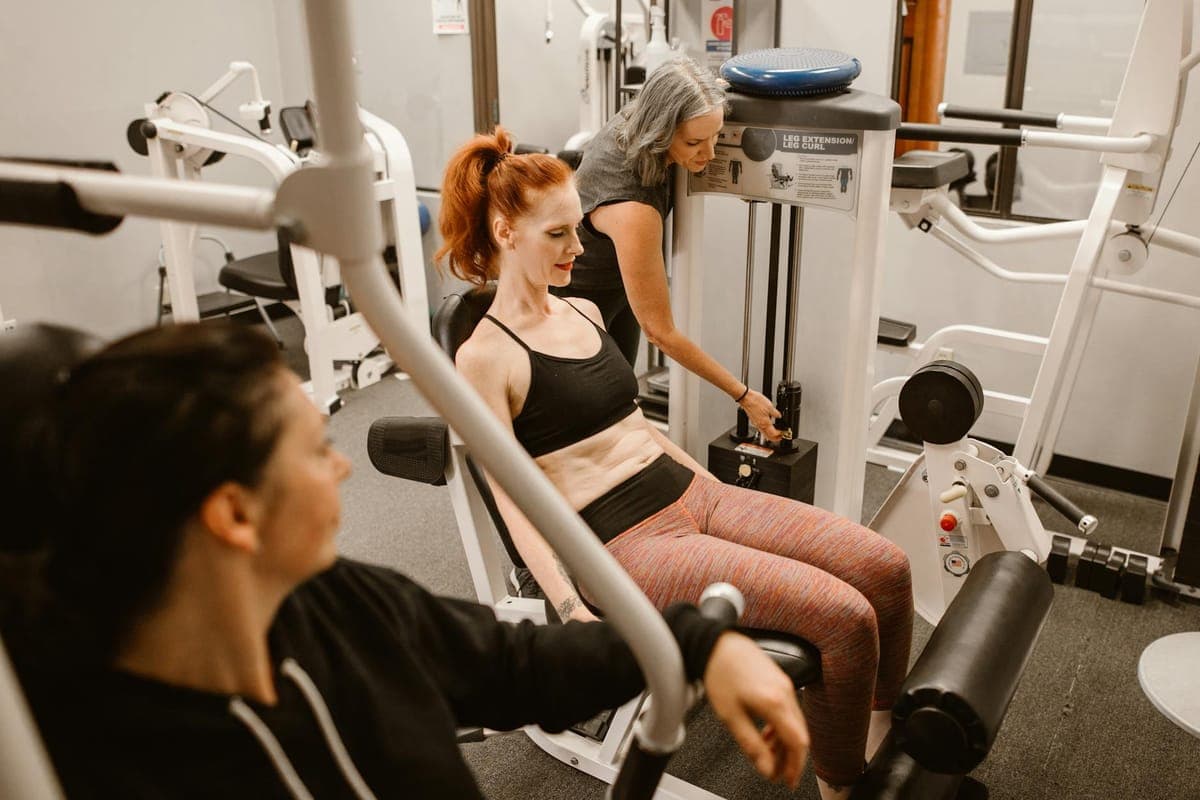
A systematic review reveals what actually helps with perimenopause symptoms—and what the research hasn't yet tested.
What Women Actually Experience During Perimenopause
Perimenopause is the transitional period before menopause. It brings various physical and psychological symptoms that can affect women's health, well-being, and quality of life. Yet despite how common this phase is, guidance on managing it remains frustratingly unclear.
Here's what we know from the evidence so far.
The Research Landscape: A Systematic Review
Researchers set out to understand what lifestyle interventions actually work for perimenopausal symptoms. They followed rigorous methods, adhering to PRISMA guidelines for systematic reviews. Four major databases were searched: PubMed, CENTRAL, Web of Science, and Scopus.
The team was looking for randomized controlled trials that tested exercise, diet, or health education approaches. After sifting through the evidence, 25 studies met the inclusion criteria. That's not a huge body of research, but it's a solid foundation to work from.
Breaking down those studies:
- 9 studies evaluated exercise-only interventions - 12 studies investigated a combined intervention (mixing exercise with other approaches) - 5 studies focused on health education-only interventions - 0 studies exclusively examined diet-based interventions
That last finding stands out. Despite how much diet talk exists around perimenopause, no rigorous randomized trials have specifically isolated dietary changes as a standalone approach.
Exercise Alone: What the Evidence Shows
The review found that exercise-only interventions showed promise for managing perimenopausal symptoms. Studies in this category tested various types of movement, from structured aerobic exercise to strength training and mind-body practices.
This matters because exercise is something women can access relatively easily. No prescriptions needed, no special equipment required in many cases. The research suggests that getting moving isn't just good general advice—it may genuinely help with how women feel during this transition.
Combined Approaches: The Majority View
Twelve of the reviewed studies looked at combined interventions. These programs typically mixed exercise with other support, such as educational content, counselling, or behavioural strategies.
This category showed benefits too. The researchers noted that both exercise and health education might offer benefits in managing perimenopausal symptoms. Combining movement with knowledge appeared to support women more than either approach alone.
This makes intuitive sense. Perimenopause involves so many different changes that a single-pronged approach may not address the full picture. Movement helps the body. Understanding helps the mind. Together, they cover more ground.
The Education Factor
Five studies examined health education-only interventions. These programs focused on helping women understand what was happening in their bodies and providing strategies for self-management.
Women in these studies reported benefits. Learning about perimenopause—knowing what to expect, why symptoms occur, and how to respond—appeared to make a difference to how women experienced this life stage.
This aligns with what many women already know instinctively. Feeling informed reduces anxiety. Understanding your own physiology builds confidence. Education isn't a passive接受; it's active empowerment.
What We're Still Missing
Here's the honest picture: due to large between-study variances and methodological inconsistencies, evidence-based guidelines for lifestyle interventions during perimenopause remain elusive. The researchers themselves acknowledge that more rigorous studies are needed to establish definitive recommendations.
Some trials lasted weeks, others months. Some measured different outcomes. Some had small participant numbers. The heterogeneity makes it hard to draw firm conclusions about exactly what works, for whom, and how much.
This doesn't mean exercise and education don't help. The findings underscore the potential of exercise and health education in alleviating perimenopausal symptoms. But potential isn't the same as proof, and women deserve clarity that the current evidence can't fully provide yet.
A Practical Path Forward
So what does this mean for you?
The evidence points toward movement and knowledge as two tools worth having in your toolkit. Neither requires a prescription, expensive equipment, or waiting for further research. Both are accessible now.
Start where you can. A walk that feels good. A strength session that builds confidence. Reading that helps you understand what your body is doing. These aren't fringe ideas—they're supported by research, even if that research is still catching up to the questions women actually have.
Perimenopause is personal. Your experience won't match anyone else's, and what works for one woman may not work for another. The systematic review reflects this complexity. It confirms that lifestyle interventions show potential while acknowledging we still have gaps in our understanding.
What the research does not suggest is passivity. Moving your body and educating yourself are steps you can take today. They're not guarantees, but they're within your control.
Educational content only. Not a substitute for medical advice. Talk to your doctor about your specific situation.
References
- Abshirini M, Siassi F, Koohdani F, et al. (2019). Higher intake of dietary n-3 PUFA and lower MUFA are associated with fewer menopausal symptoms. Climacteric. 22(2):195-201.
- Anderson D, Seib C. (2015). Does exercise alleviate menopausal symptoms in women? Maturitas. 80(1):1-2.
- Asghari M, Mirghafourvand M, Mohammad-Alizadeh-Charandabi S, Malakouti J, Nedjat S. (2017). Effect of aerobic exercise and nutrition education on quality of life and early menopause symptoms: A randomized controlled trial. Women & Health. 57(2):173-188.
- Asikainen TM, Kukkonen-Harjula K, Miilunpalo S. (2004). Exercise for health for early postmenopausal women: a systematic review of randomised controlled trials. Sports Medicine. 34(11):753-778.
- Augoulea A, Palaiologou A, Christidi F, et al. (2021). Assessing the efficacy of a structured stress management program in reducing stress and climacteric symptoms in peri- and postmenopausal women. Archives of Women's Mental Health. 24(5):727-735.
- Avis NE, Legault C, Russell G, Weaver K, Danhauer SC. (2014). Pilot study of integral yoga for menopausal hot flashes. Menopause. 21(8):846-854.
- Baena-Garcia L, Flor-Alemany M, Marin-Jimenez N, Aranda P, Aparicio VA. (2022). A 16-week multicomponent exercise training program improves menopause-related symptoms in middle-aged women. The FLAMENCO project randomized control trial. Menopause. 29(5):537-544.
Common Questions
What exactly is perimenopause and when does it typically begin?
Perimenopause is the natural transitional phase before menopause, during which hormone levels begin to fluctuate and eventually decline. For most women, it begins in the mid-to-late 40s, though it can start earlier or later depending on the individual. During this time, menstrual cycles may become irregular, and various physical and psychological symptoms may emerge. If you're experiencing changes and wondering whether perimenopause might be contributing, talking to your doctor about your specific situation can help clarify what's happening.
Does exercise help with perimenopause symptoms?
According to a systematic review of 25 randomised controlled trials, exercise-only interventions showed promise for managing perimenopausal symptoms. Studies tested various forms of movement including aerobic exercise, strength training, and mind-body practices. The research suggests that regular movement may support how women feel during this transition, though results varied across individual studies. If you're considering starting an exercise routine, beginning with something enjoyable and sustainable is a practical approach.
Why are there no diet-only studies in the perimenopause research?
The systematic review found that despite considerable diet talk around perimenopause, no rigorous randomised controlled trials have specifically isolated dietary changes as a standalone approach. This doesn't mean diet is unimportant—it means the research landscape simply hasn't addressed it in the same way. The absence of diet-only studies reflects research gaps rather than evidence of ineffective dietary approaches. Talk to your doctor or an Accredited Practising Dietitian about nutrition strategies that may suit your individual needs.
Is a combined approach better than exercise or education alone for perimenopause?
The evidence suggests that combining approaches may offer broader benefits than single interventions. Of the 25 studies reviewed, 12 tested combined programmes that mixed exercise with educational content, counselling, or behavioural strategies. Researchers noted that both exercise and health education might support symptom management, and using them together appeared to cover more ground. This makes sense given that perimenopause involves multiple changes—movement supports the body while understanding supports decision-making.
How long does perimenopause typically last?
Perimenopause duration varies significantly between individuals. The transition typically spans several years, with the average being around 4-10 years before menopause is confirmed (defined as 12 consecutive months without a period). Symptoms can come and go during this time, which is completely normal. If symptoms are significantly impacting your daily life or wellbeing, speaking with your doctor about your specific situation can help you explore management options.
Jess Mizzi, CPT
Certified Personal Trainer and founder of FitForHer. Specialises in women's life-stage specific fitness — postnatal recovery, perimenopause, and menopause. About Jess →
Medical disclaimer: This article is for informational purposes only and does not constitute medical advice. Always consult a qualified healthcare professional before making changes to your exercise or nutrition programme.