Perimenopause weight loss can feel just as confusing as weight gain, here's how to fuel and strength-train your way through it.
The Perimenopause Weight Loss No One Warned You About
If you've stepped on the scale in your early forties and the number is dropping despite doing nothing different, you're not imagining it. Perimenopause, the hormonal transition that can start in your early 40s and last several years, brings real changes to how your body holds, uses, and wants fuel. Oestrogen and progesterone levels fluctuate during this phase, and those shifts can reduce appetite signals, chip away at muscle mass, and quietly lower how much you eat without you noticing.
Most of the conversation around perimenopause centres on weight gain. But the opposite problem gets almost no airtime: women who start losing weight unintentionally, or who feel their bodies getting smaller in ways that don't feel strong or supported. If that's you, the goal isn't to fight your physiology. It's to work with it — and to put the weight back on in a way that builds strength.
Why Weight Loss Happens in Perimenopause
The narrative around perimenopause usually centres on weight gain, so it can feel confusing when the opposite is happening to you. A few things are at play.
Hormonal shifts can reduce appetite, which sounds manageable until you're skipping meals, under-fuelling your training, and wondering why your recovery has tanked. At the same time, declining muscle mass means your body is burning fewer calories at rest than it used to. You might be eating what feels like enough and still losing weight you didn't want to lose.
This is a moment for strategy, not panic.
How Much Extra Fuel You Actually Need
Safe, sustainable weight gain during perimenopause generally focuses on adding 250–500 extra calories a day from nutrient-dense sources. That's the range registered dietitians typically work within for gradual gain in this life stage.
Where those calories come from matters. Think:
- Lean proteins at every meal: chicken, fish, eggs, legumes, Greek yoghurt, tofu - Healthy fats that deliver calorie density: avocado, nuts, olive oil, nut butters - Whole grains that fill you out: oats, brown rice, quinoa, wholegrain bread - Calorie-rich snacks: trail mix, cheese, dried fruit, hummus with crackers
The aim is to gain gently, around 0.25–0.5 pound per week, so the weight you add is tissue you're building, not just padding. Faster gain tends to come with more fat storage and less of the strength changes you're actually after.
Protein Is Your Anchor
When appetite is unreliable and muscle is on the line, protein becomes the lever you can control. Current guidance for women in this phase suggests targeting 1.0–1.2 grams of protein per kilogram of body weight daily, which is higher than the standard adult recommendation.
If you weigh 65 kg, that's roughly 65 to 78 grams of protein spread across the day. That's two to three palm-sized servings, plus a protein-rich snack if you're struggling to hit it through meals alone.
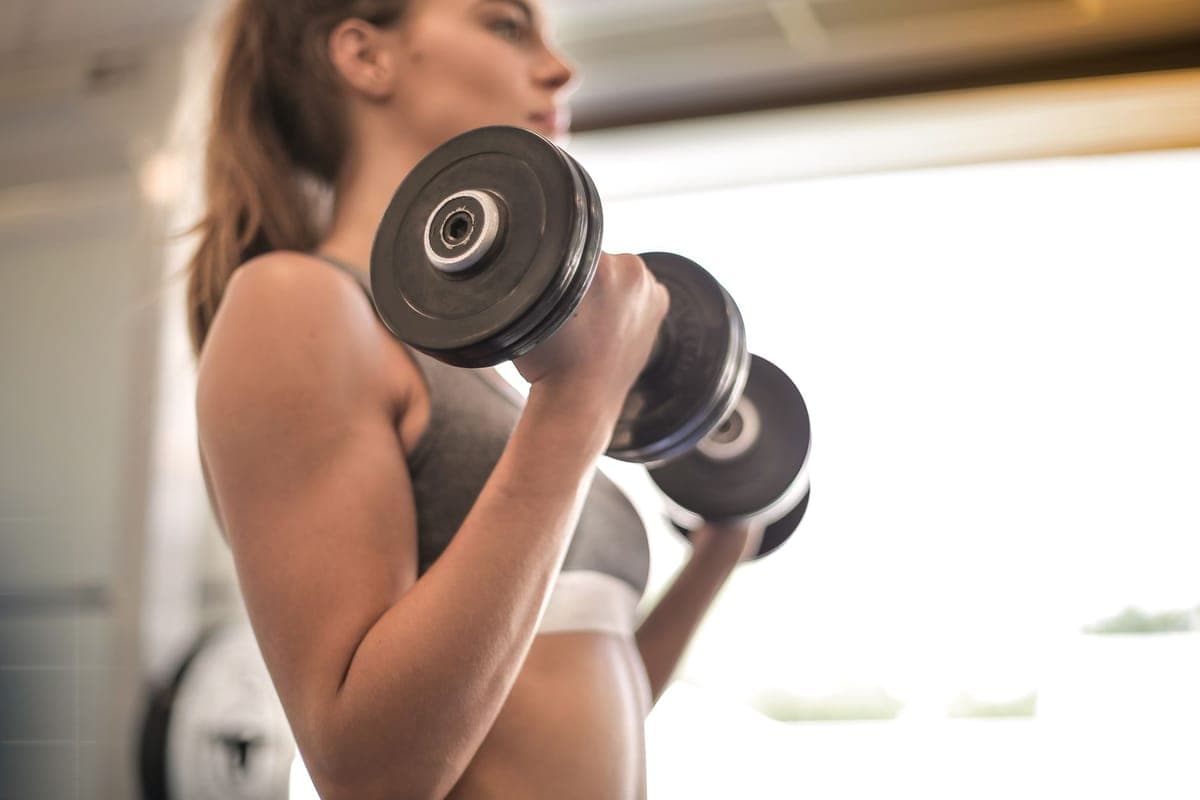
Pair your protein intake with two to three resistance sessions weekly focusing on major muscle groups. Squats, deadlifts, presses, rows, carries. The research is consistent: women in perimenopause who lift maintain more lean mass and recover better than those who rely on cardio alone. You're not training to "tone." You're training to keep the muscle you have and build more.
Movement That Supports, Not Drains
Cardio still has a place. Aim for moderate sessions of around 30 minutes, two to three times per week. Walking, cycling, swimming, easy jogging. The point is movement that supports cardiovascular health and appetite without tipping you into a deficit.
What you want to avoid is stacking high-volume cardio on top of undereating. That's a fast track to fatigue, poor sleep, and more muscle loss. If you're trying to gain weight, your training needs to send your body a signal that it's safe to build, not strip back.
Sleep Is Not Optional
Here's the piece that gets dropped from most advice: you cannot out-eat poor sleep during perimenopause. Hormonal fluctuation already disrupts sleep architecture. Under-fuelling makes it worse.
Aim for 7–9 hours per night. If you're getting six and calling it "fine," your recovery, your hunger hormones, and your training capacity are all paying the price. Practical moves: consistent bed and wake times, a cool room, no screens in the last hour, and a protein-rich snack an hour before bed to stabilise blood sugar overnight.
If sleep disruption is severe, that's a conversation for your GP. Perimenopausal sleep issues are real and treatable, and no amount of dietary strategy will fully compensate.
A Practical Starting Point
If you're reading this and recognising yourself, here's a simple first week to test the approach:
- Add one protein-rich snack to your day. Nuts, yoghurt, eggs on toast, whatever you'll actually eat. - Eat a slightly larger portion at one meal. Roughly 250 extra calories. - Book two resistance sessions. Keep them under 45 minutes. Focus on the big lifts. - Walk on the other days. Twenty to thirty minutes, easy pace. - Track your sleep for the week. Just notice what's happening.
Weigh yourself once a week, same day, same time. You're looking for a slow upward trend of around 0.25–0.5 pound per week, not a sudden jump. If you're not seeing movement after two to three weeks, add another snack or slightly bigger portions.
And if anything here feels overwhelming, or you're dealing with symptoms that go beyond weight, a women's health physio and an Accredited Practising Dietitian can tailor this to your situation in a way no article can.
Educational content only. Not a substitute for medical advice. Talk to your doctor about your specific situation.
References
- Ray E, Maybin JA, Harper JC. (2023). Perimenopausal women's voices: How does their period at the end of reproductive life affect wellbeing?. Post reproductive health
- Patel P, Patil S, Kaur N. (2025). Estrogen and Metabolism: Navigating Hormonal Transitions from Perimenopause to Postmenopause.. Journal of mid-life health
- Fasero M, Coronado PJ. (2025). Cardiovascular Disease Risk in Women with Menopause.. Journal of clinical medicine
- Wang Y, Guo X, Wang H, Chen Y, Xu N, Xie M, Wong DW, Lam WK. (2022). Training and retention effects of paced and music-synchronised walking exercises on pre-older females: an interventional study.. BMC geriatrics
Common Questions
Is unintentional weight loss normal during perimenopause?
Unintentional weight loss can happen during perimenopause, though it gets far less attention than weight gain. Fluctuating oestrogen and progesterone can reduce appetite signals, while declining muscle mass lowers how much energy your body uses at rest. The result is that some women lose weight they did not want to lose, particularly if they are also training hard. If the loss is rapid, persistent, or comes with fatigue, it is worth talking to your doctor to rule out other causes and to get individualised guidance.
How many extra calories do I need to gain weight safely in perimenopause?
Registered dietitians generally work within a range of 250 to 500 extra calories per day for gradual, sustainable weight gain during this life stage. That surplus supports tissue building rather than rapid fat accumulation. Where those calories come from matters, so prioritise lean protein, healthy fats, whole grains, and calorie-dense snacks like trail mix, nut butter, and Greek yoghurt. Aim for roughly 0.25 to 0.5 pound gained per week as a general guide. An Accredited Practising Dietitian can help you tailor this to your training, body size, and symptoms.
How much protein do women need during perimenopause?
Current guidance suggests women in perimenopause may benefit from around 1.0 to 1.2 grams of protein per kilogram of body weight daily, which is higher than the standard adult recommendation. For a woman weighing 65 kg, that works out to roughly 65 to 78 grams of protein spread across the day. Think two to three palm-sized servings at meals, plus a protein-rich snack if needed. Spreading intake evenly across meals appears to support muscle protein synthesis better than loading protein into one sitting.
What kind of training should I pair with increased calories in perimenopause?
Resistance training is the most important piece because it gives the extra fuel somewhere useful to go, into muscle rather than stored fat. Two to three sessions per week focusing on major muscle groups, including squats, deadlifts, presses, rows, and carries, is a sensible baseline. Combining strength work with adequate protein and a modest calorie surplus is associated with better body composition outcomes than either strategy alone. If you are new to lifting or returning after a break, consider working with a women's health-informed coach to programme around joint changes, sleep, and energy levels.
When should I see a doctor about perimenopause weight loss?
It is worth raising with your doctor if you are losing weight without trying, especially if the loss exceeds 0.5 to 1 kg per week, continues over several weeks, or comes with other symptoms like missed periods, hot flashes, digestive changes, or low mood. Your GP can check for thyroid changes, iron status, and other contributors that often overlap with this life stage. If pelvic floor, postnatal, or hormonal symptoms are part of the picture, a women's health physiotherapist or Accredited Practising Dietitian may also be useful additions to your care team.
Jess Mizzi, CPT
Certified Personal Trainer and founder of FitForHer. Specialises in women's life-stage specific fitness — postnatal recovery, perimenopause, and menopause. About Jess →
Medical disclaimer: This article is for informational purposes only and does not constitute medical advice. Always consult a qualified healthcare professional before making changes to your exercise or nutrition programme.