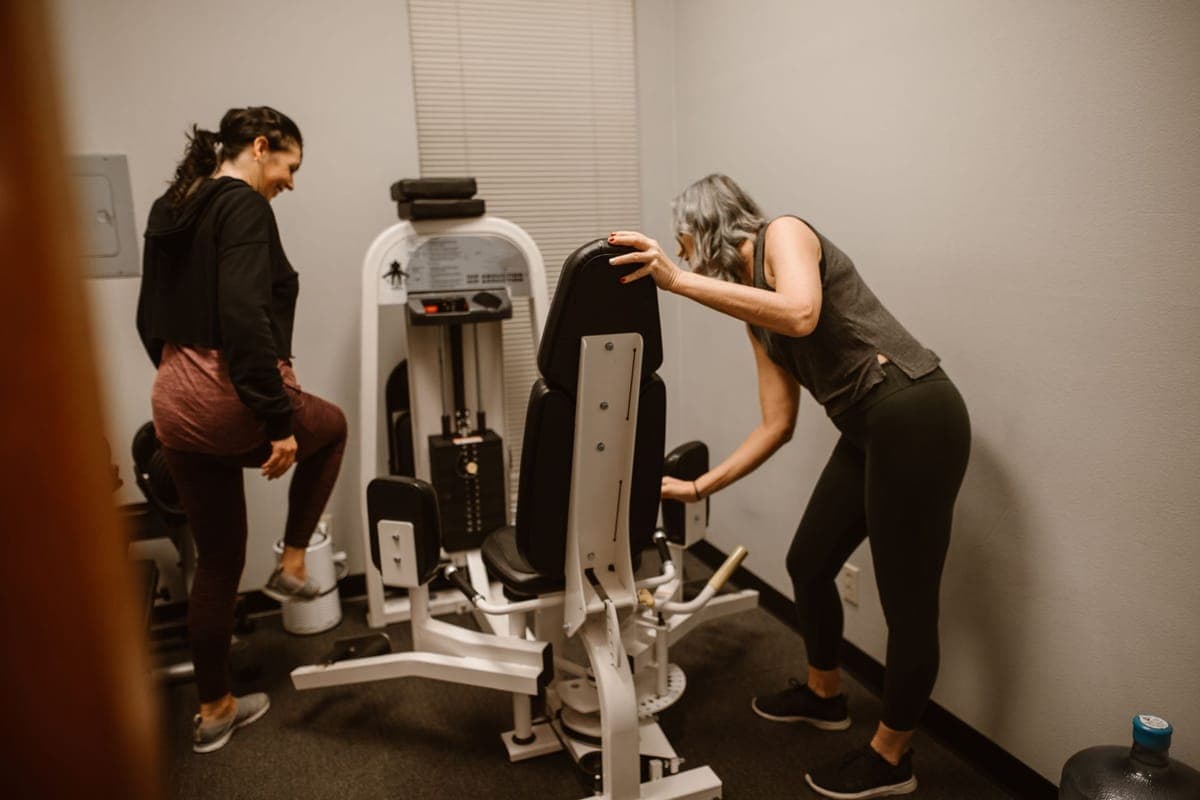
If you've been told to lose weight and exercise more, you've been shortchanged. Here's what the research base actually shows PCOS exercise can do.
The Exercise Prescription PCOS Research Actually Supports
If you've been handed a PCOS diagnosis and told to "lose some weight and exercise more," you've been shortchanged. PCOS affects 6-12% of reproductive-age women worldwide. It is a hormonal and metabolic condition characterised by hyperandrogenism, irregular ovulation, and polycystic ovarian morphology. Treating it like a willpower problem misses the point entirely.
Here's what the research base actually shows: structured physical activity changes the underlying physiology of PCOS. It shifts insulin sensitivity, hormone binding, and in some cases, ovulation patterns. This isn't lifestyle advice dressed up in activewear. It's a dose-dependent intervention with measurable effects on the condition's core drivers.
Why Insulin Resistance Changes the Conversation
Insulin resistance is present in approximately 65-80% of affected individuals regardless of body weight. That figure matters because it reframes PCOS away from a weight-centric narrative and toward a metabolic one. You can be lean and still insulin resistant. You can be active and still insulin resistant. The resistance itself is driving much of the hormonal disruption, including elevated androgens and disrupted ovulation.
A 2020 meta-analysis in the British Journal of Sports Medicine (16 RCTs, N=573) found that exercise interventions lasting 12 weeks or longer produced a statistically significant reduction in HOMA-IR of 0.57 units (95% CI 0.30-0.84, P<0.001) in women with PCOS compared to control. HOMA-IR is a standard marker of insulin resistance, and a drop of that magnitude is clinically meaningful.
That same body of evidence showed the insulin reduction translated to a 7.2% increase in SHBG (sex hormone-binding globulin). More SHBG means less free testosterone circulating. That shift happened without a single prescription. It's one of the clearest examples in the exercise science literature of training acting on hormonal physiology.
What the Cycle Data Looks Like
For women dealing with irregular or absent periods, the numbers are worth sitting with. A 24-week RCT published in Human Reproduction (N=122) found that a structured exercise program combining aerobic activity at 60-70% of maximum heart rate with twice-weekly resistance training restored regular menstrual cycles in 38% of previously anovulatory participants versus 12% in the control group (P=0.002).
A 38% return to regular cycling in a previously anovulatory group, compared to 12% in controls, is not a small effect. The exercise protocol wasn't extreme. It was consistent aerobic work at a moderate intensity plus two sessions of resistance training per week, sustained over six months. Duration and adherence appear to do more work than intensity spikes.
There's also a well-established finding worth naming: a 5-10% reduction in body weight restores ovulation in 50-60% of anovulatory women with PCOS (European Society of Endocrinology). That threshold is modest and accessible. It's also not the only path to ovulation, as the cycle-restoration data above makes clear.
What "Enough" Exercise Actually Means
The minimum effective aerobic dose for PCOS metabolic benefit is 150 minutes per week of moderate-intensity activity, defined as 50-70% of maximum heart rate. That aligns with general physical activity guidelines, which recommend 150 minutes of moderate-intensity or 75 minutes of vigorous-intensity weekly aerobic volume.
Moderate intensity for most women lands in the "can talk in sentences but not sing" zone. You're working, but you're not gasping. The 50-70% of max heart rate range gives you a target without needing a lab test.
If your schedule is tight, HIIT offers an alternative pathway. Research shows that 12-16 weeks of HIIT reduces fasting insulin and free androgen index significantly. Shorter sessions, higher intensity, similar metabolic outcomes. Both approaches work. The best one is the one you'll repeat consistently.
Putting It Together Without Burning Out
A sustainable PCOS exercise protocol looks something like this: three to five sessions of aerobic work per week at 50-70% of your max heart rate, accumulating at least 150 minutes total, plus two resistance training sessions covering major movement patterns. That's the structure the cycle-restoration trial was built on, and it's the structure that produced the HOMA-IR shifts in the meta-analysis.
For variety or time constraints, swap one or two aerobic sessions for HIIT (short intervals at higher intensity with recovery). The research supports both modalities. The consistency matters more than the exact format.
Pairing this with nutrition support from an Accredited Practising Dietitian, and medical oversight from your GP or endocrinologist, gives you a complete management picture. Exercise is one pillar, not the whole building. If you're on metformin or considering hormonal treatment, your doctor remains the right person to guide medication decisions.
The Practical Takeaway
PCOS responds to training when training is treated as a clinical intervention, not a hobby. Dose matters. Duration matters. Insulin sensitivity shifts with 12+ weeks of consistent work. Ovulation patterns can change with six months of structured aerobic and resistance training. The threshold for ovulation restoration via modest weight reduction is 5-10%, which is real and reachable for many women.
If you're starting from zero, begin with two short walks this week and one resistance session. Build toward 150 minutes of moderate aerobic work across the week and add a second resistance day when you can. Track how you feel, how your energy shifts, and how your cycle responds over the next three months. Bring that information to your GP or women's health specialist.
Educational content only. Not a substitute for medical advice. Talk to your doctor about your specific situation.
References
- Teede HJ, Misso ML, Costello MF, et al. Recommendations from the international evidence-based guideline for the assessment and management of polycystic ovary syndrome. Fertil Steril. 2018;110(3):364-379.
- Teede HJ, Tay CT, Laven JJE, et al. Recommendations from the 2023 international evidence-based guideline for the assessment and management of polycystic ovary syndrome. J Clin Endocrinol Metab. 2023;108(10):2447-2469.
- Moran LJ, Hutchison SK, Norman RJ, Teede HJ. Lifestyle changes in women with polycystic ovary syndrome. Cochrane Database Syst Rev. 2011;(7):CD007506.
- Thomson RL, Buckley JD, Noakes M, Clifton PM, Norman RJ, Brinkworth GD. The effect of a hypocaloric diet with and without exercise training on body composition, cardiometabolic risk profile, and reproductive function in overweight and obese women with polycystic ovary syndrome. J Clin Endocrinol Metab. 2008;93(9):3373-3380.
- Palomba S, Giallauria F, Falbo A, et al. Structured exercise training programme versus hypocaloric hyperproteic diet in obese polycystic ovary syndrome patients with anovulatory infertility: a 24-week pilot study. Hum Reprod. 2008;23(3):642-650.
- Banting LK, Gibson-Helm M, Polman R, Teede HJ, Stepto NK. Physical activity and mental health in women with polycystic ovary syndrome. BMC Womens Health. 2014;14:51.
Common Questions
What type of exercise is most supported by research for PCOS?
Evidence suggests a combination approach works well: moderate-intensity aerobic activity around 60-70% of maximum heart rate paired with twice-weekly resistance training. The 24-week Human Reproduction trial that restored regular cycles in 38% of participants used exactly this structure. Consistency and duration appear to do more work than intensity spikes, so a sustainable plan you can maintain for 12 weeks or longer is often more effective than short bursts of high-intensity effort. For your specific situation, an Accredited Exercise Physiologist can tailor the dose to your current fitness and symptoms.
Can exercise really improve insulin resistance with PCOS, even without weight loss?
Research indicates yes, and this is one of the most important points often missed in PCOS advice. The 2020 British Journal of Sports Medicine meta-analysis showed exercise interventions reduced HOMA-IR by 0.57 units regardless of whether significant weight change occurred. Insulin resistance is present in 65-80% of affected individuals, including lean women, which is why a metabolic framing matters more than a weight-centric one. Improvements may support better energy levels, more stable hormones, and improved cycle regularity. Talk to your doctor about your specific situation to interpret your own markers.
How long before exercise starts affecting PCOS symptoms like irregular cycles?
Most studies showing meaningful hormonal and cycle effects ran for 12 to 24 weeks, which is roughly three to six months. The menstrual cycle data from the Human Reproduction trial came from a 24-week protocol, and the insulin sensitivity improvements pooled in the BJSM meta-analysis came from interventions of 12 weeks or longer. This suggests PCOS responds to training as a dose-dependent intervention, where accumulated volume and consistency matter more than week-to-week effort. Setting a 12-week minimum commitment is a reasonable place to start when evaluating your own response.
Does lifting weights help with PCOS, or is cardio enough?
Both appear to contribute, but resistance training brings specific benefits worth noting. It supports lean muscle mass, which improves glucose disposal independently of aerobic fitness, and it tends to be more sustainable long-term than cardio-only programs. The protocols in the strongest PCOS trials combined aerobic and resistance work rather than isolating one. If you are new to lifting, working with an Accredited Exercise Physiologist or a women's health-informed trainer can help you start with appropriate loads and progressions. Talk to your doctor about your specific situation if you have been sedentary or have other health considerations.
Where does exercise fit alongside medical treatment for PCOS?
Evidence suggests exercise is best understood as one component of care rather than a standalone solution. The research shows it shifts insulin sensitivity, SHBG, and in some cases ovulation patterns, but PCOS is a hormonal and metabolic condition that often benefits from multidisciplinary input. Your GP, an endocrinologist, a gynaecologist, an Accredited Practising Dietitian, and an Accredited Exercise Physiologist may all play a role depending on your symptoms and goals. Building your exercise plan in conversation with your treating team tends to produce better outcomes than treating it as an alternative to medical care.
Jess Mizzi, CPT
Certified Personal Trainer and founder of FitForHer. Specialises in women's life-stage specific fitness — postnatal recovery, perimenopause, and menopause. About Jess →
Medical disclaimer: This article is for informational purposes only and does not constitute medical advice. Always consult a qualified healthcare professional before making changes to your exercise or nutrition programme.