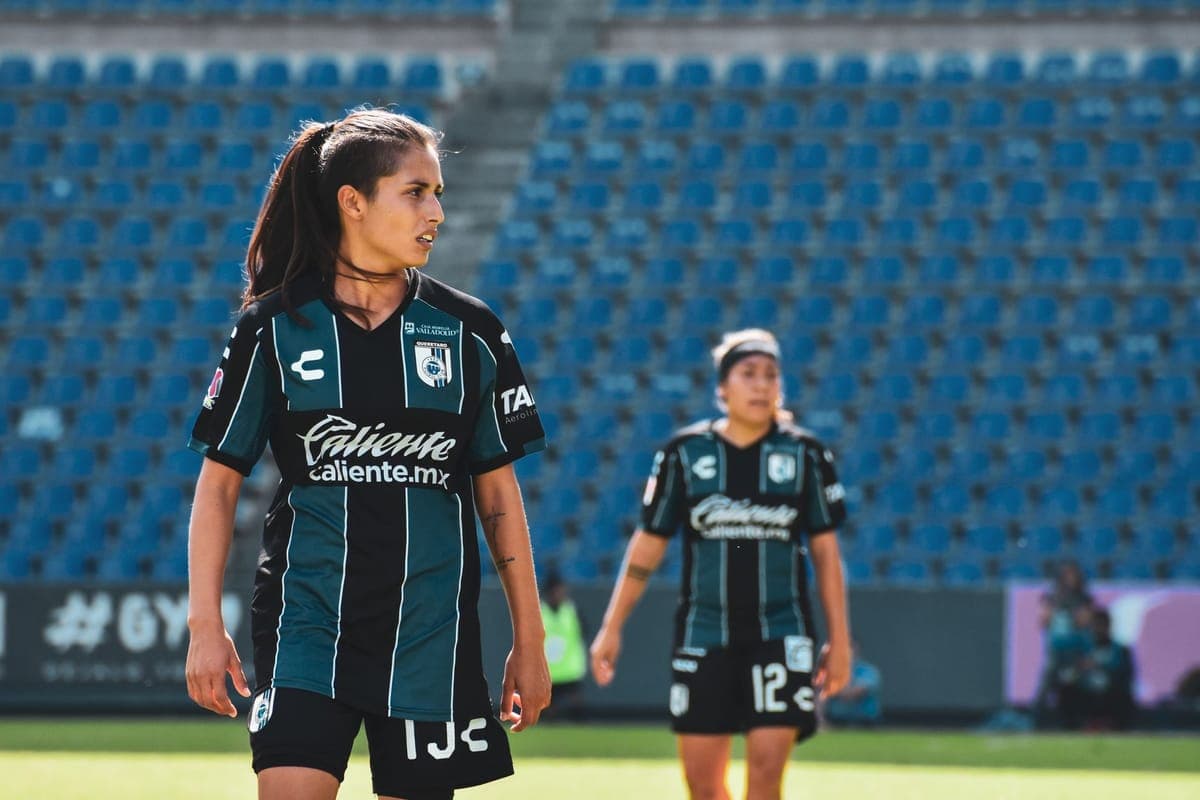
You can perfect your training, fuelling, and recovery and still miss the biggest variable of all: sleep.
The One Variable Most Female Athletes Train Around
Here's something worth sitting with: you can dial in your training, your fuelling, your recovery protocols, and your strength work, and still leave your biggest performance variable untouched. Sleep is the foundation underneath everything else, and for female athletes, it carries complexity that goes well beyond "eight hours and you're good." Hormonal fluctuations across the menstrual cycle, the physical demands of different life stages, psychological load, and the sheer weight of training can all push sleep quality around, often without you noticing the cumulative effect until performance starts to slide.
A narrative literature review pulled together the evidence on exactly this. The authors examined how sleep interacts with performance and recovery in female athletes, looking across physiological, psychological, and social factors that shape sleep in this population. Their conclusion? Sleep isn't a nice-to-have. It's a foundational element of how well you train, adapt, and stay well.
What Sleep Actually Does for Your Training
When you train hard, your body does much of its repair work at night. During the deeper stages of non-rapid eye movement sleep, growth hormone secretion peaks, which is when muscle repair and tissue recovery are doing their heavy lifting. Cut that sleep short or fragment it, and you're pulling bricks out of the wall you're trying to build.
The broader picture matters too. Adequate sleep has been consistently associated with improved performance outcomes and reduced injury risk across athletic populations. Recovery isn't just about feeling less sore. It touches metabolic health, mental resilience, and the consistency of your training week after week. Treat sleep as a core training input, not an afterthought, and the rest of your program has something solid to sit on.
The Female-Specific Sleep Disruptors Most Programs Miss
This is where the conversation gets interesting, and where a lot of generic sleep advice falls short. Female athletes navigate hormonal transitions that can directly influence sleep quality, thermoregulation, and fatigue. The menstrual cycle is the most obvious one, with hormone fluctuations across the month capable of shifting sleep architecture and how rested you feel on waking. Pregnancy and menopause bring their own sleep challenges. Each stage can quietly reshape the recovery landscape.
And here's the part the review authors flagged as a real gap: sleep disruptions tied to hormonal transitions are often not fully addressed within traditional athletic training and recovery programs. Most coaching frameworks, most periodisation templates, most "recovery" stacks were built around male physiology as the default. That's not a small oversight when you're working with a body that cycles, transitions, and changes across decades.
Psychological Load and the Social Stuff That Keeps You Awake
Hormones aren't the only thing pulling at female athletes' sleep. Psychological stressors stack up, from performance pressure to body image concerns to the mental load of balancing training with everything else life throws at a woman in her twenties, thirties, forties, or fifties. Then there are societal expectations that don't always align with what recovery actually requires.
Training demand itself is a sleep disruptor. Heavy sessions late in the day, high overall training load, and inadequate recovery windows can all push sleep quality down, even when you technically get enough hours. The review highlighted that these factors combine rather than act in isolation, which means the sleep picture for a female athlete is rarely about one thing. It's the interaction between cycle phase, life stage, training load, and whatever else is sitting on your shoulders that shapes what happens at 2am.
Female-Specific Sleep Strategies Worth Considering
If generic sleep hygiene isn't quite cutting it, the review's authors point toward something more useful: individualised, female-specific strategies. That might mean adjusting training intensity around phases of your menstrual cycle when sleep is more disrupted, building in longer recovery windows during hormonal transitions, or working with a practitioner who understands how perimenopause or postpartum recovery changes what your body needs.
It also means treating sleep as data. Tracking patterns across your cycle, noticing when injuries cluster, watching how perceived effort shifts when sleep quality dips, these observations can tell you more about your individual recovery needs than any generic guideline. The goal isn't perfection. It's consistency, and giving your body the conditions it actually needs to adapt.
What to Do With This on Monday Morning
Sleep is a training variable. If your program treats it as optional, you're leaving performance and recovery on the table. Start by auditing your week honestly: are you consistently giving yourself the conditions for deep, uninterrupted sleep, or are you fragmenting it with late training, screens, and caffeine timing that doesn't suit you? Layer that with cycle and life-stage awareness, and you have a recovery approach that finally matches the body you're actually training, not a generic template built for someone else.
Educational content only. Not a substitute for medical advice. Talk to your doctor about your specific situation.
References
- Taim BC, Ó Catháin C, Renard M, Elliott-Sale KJ, Madigan S, Ní Chéilleachair N. The prevalence of menstrual cycle disorders and menstrual cycle-related symptoms in female athletes: a systematic literature review. Sports Med. 2023;53:1963–84.
- The 2022 hormone therapy position statement of the North American menopause society. Menopause. 2022;29:767.
- Van Cauter E, Plat L. Physiology of growth hormone secretion during sleep. J Pediatr. 1996;128:S32-37.
- Walsh NP, Halson SL, Sargent C, et al. Sleep and the athlete: narrative review and 2021 expert consensus recommendations. Br J Sports Med. 2021;55:356–68.
- Won CHJ. Sleeping for two: the great paradox of sleep in pregnancy. J Clin Sleep Med JCSM Off Publ Am Acad Sleep Med. 2015;11:593–4.
- Yonkers KA, Pearlstein T, Rosenheck RA. Premenstrual disorders: bridging research and clinical reality. Arch Womens Ment Health. 2003;6:287–92.
Common Questions
Why does sleep matter more for female athletes than for male athletes?
Sleep is foundational for recovery in all athletes, but female physiology introduces extra layers of complexity. Hormonal fluctuations across the menstrual cycle can shift sleep architecture, core body temperature, and perceived rest quality, while life stages such as pregnancy, postnatal recovery, and menopause each bring their own sleep challenges. Evidence suggests these transitions are often under-addressed in standard coaching frameworks, which have historically defaulted to male physiology. Acknowledging this gap is the first step toward building a recovery plan that actually fits a female body.
How does the menstrual cycle affect sleep and training recovery?
Oestrogen and progesterone fluctuate across the cycle, and both hormones influence sleep architecture, thermoregulation, and breathing patterns during rest. Many women report poorer sleep quality in the late luteal phase, just before menstruation, when progesterone rises and core temperature shifts. Research is associated with altered slow-wave sleep and increased wakefulness during certain phases, which may in turn affect perceived effort and adaptation to training. Tracking your sleep alongside your cycle can help you spot patterns and adjust training intensity accordingly rather than pushing through generic periodisation.
Can poor sleep actually increase injury risk in female athletes?
Yes, evidence suggests that inadequate or fragmented sleep is associated with higher injury risk across athletic populations, including female athletes. Sleep loss affects reaction time, decision-making under fatigue, neuromuscular coordination, and the hormonal milieu that supports tissue repair. For athletes who are also navigating menstrual cycle changes or high training loads, these effects can compound. Prioritising sleep duration and quality is one of the more practical, evidence-supported levers a female athlete can pull to protect both performance and long-term joint and bone health.
What are the best practical strategies to improve sleep as a female athlete?
Start with the basics that hold up across the research: a consistent sleep-wake window, a cool and dark bedroom, limiting screens before bed, and keeping caffeine earlier in the day. From there, layer in cycle-aware adjustments, such as prioritising wind-down routines during the late luteal phase when sleep often feels lighter. Training timing matters too; very late sessions can elevate cortisol and delay sleep onset for some women. If sleep disruption persists, it may support your overall health to talk to your doctor about your specific situation, particularly if hormonal transitions, postnatal recovery, or perimenopause are in play.
How much sleep does a female athlete actually need for recovery?
Most adult guidance points toward seven to nine hours, but athletes in heavy training blocks often need closer to nine or more to fully cover repair and adaptation. Individual needs vary based on training load, life stage, hormonal status, and psychological stress. Sleep quality matters as much as quantity, so fragmented six hours may serve you worse than a solid eight. If you are consistently waking unrefreshed or struggling to recover between sessions, an Accredited Practising Dietitian or your GP can help you assess whether lifestyle factors, hormonal changes, or something clinical deserves a closer look.
Jess Mizzi, CPT
Certified Personal Trainer and founder of FitForHer. Specialises in women's life-stage specific fitness — postnatal recovery, perimenopause, and menopause. About Jess →
Medical disclaimer: This article is for informational purposes only and does not constitute medical advice. Always consult a qualified healthcare professional before making changes to your exercise or nutrition programme.