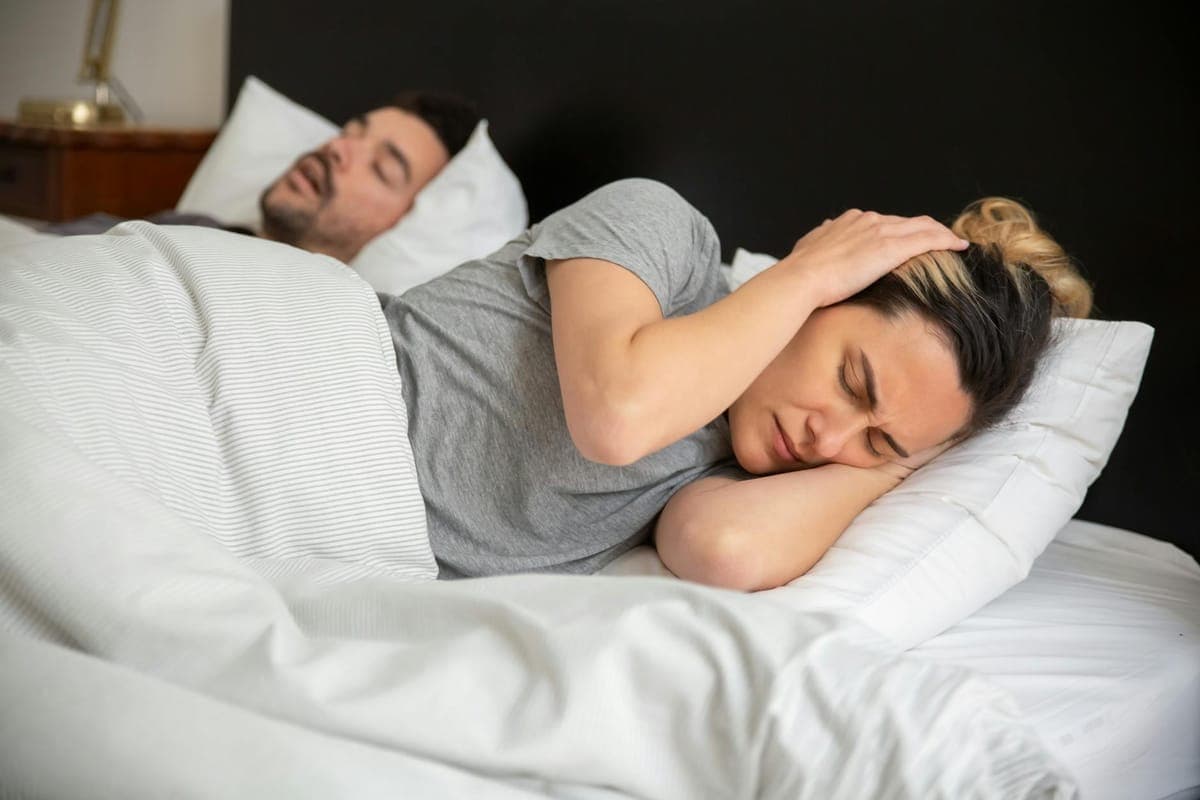
If you're waking up wrecked despite eight hours in bed, your hormones might be the reason—not stress, not age.
Your Sleep Might Be Telling You Something
Something is disrupting your sleep, and you're not sure why. You've cut back on coffee. You keep your bedroom cool. You go to bed at the same time each night. But lately, you wake up feeling like you barely slept—even when you were in bed for eight hours.
For many women in their late 30s and 40s, this confusion is often one of the first signs of the perimenopausal transition. Sleep disturbance is one of the most common and distressing concerns reported by women during this phase—and it often begins years before the final menstrual period. The frustrating part: it cannot be explained solely by ageing, stress, or hot flushes, though those may appear later.
Why It's Not Just About Night Sweats
If you've been assuming hot flushes are the main culprit behind your sleep issues, you are not alone. But research shows disrupted sleep during perimenopause can occur independent of night sweats. Sleep disruptions have been shown to correlate with rising follicle-stimulating hormone (FSH) and fluctuating oestradiol levels, meaning the hormonal changes themselves are driving the problem.
This happens because perimenopause is characterised less by absolute oestrogen deficiency and more by hormonal variability and disrupted signalling. Your body is not running low on oestrogen—it is experiencing wild swings in hormone levels that confuse your internal systems.
How Oestradiol Shapes Sleep
Oestradiol plays a role in sleep regulation through its effects on thermoregulation, circadian rhythms, neurotransmitters, and vascular function. When these systems are disrupted by hormonal volatility, your body's ability to fall and stay asleep suffers.
During perimenopause, women experience increased night-time awakenings, fragmented sleep, difficulty maintaining sleep, and non-restorative sleep, even when total sleep duration appears unchanged. You might log your seven or eight hours but still wake up feeling wrecked because the quality of your sleep has deteriorated. Total time in bed is not the same as actual rest.
What This Means for Your Health
Sleep is not just about feeling tired. During this transition, poor sleep carries real consequences.
Women experiencing perimenopausal sleep disturbance often report reduced exercise tolerance and impaired recovery—workouts feel harder and bounce-back takes longer. Mood disturbance is common, leaving you more irritable or emotionally unsteady than usual. Research also links sleep disruptions during this phase to increased visceral fat accumulation, insulin resistance, and rising cardiovascular risk.
This is not about vanity or aesthetics. These are measurable changes in how your body functions. Perimenopausal sleep disturbance is an early, biologically driven phenomenon—your body is sending a signal that something fundamental is shifting.
What Helps
Understanding the mechanism changes what you do next.
Movement matters. Regular aerobic activity and resistance training support sleep quality and mood stability, and help maintain metabolic health during this transition. Stress-management practices—breathing techniques, gentle evening movement, limiting screen exposure before bed—can ease the神经系统 burden that hormonal variability places on your nervous system.
Consistency also helps. Going to bed and waking at regular times supports circadian rhythms, which oestradiol helps regulate. Small things matter: avoiding alcohol close to bedtime, managing fluid intake in the evening, keeping your room dark and cool.
Most importantly, know that this is not a personal failing. Perimenopausal sleep disturbance is linked to hormonal variability and interacting physiological systems—it is physiological, not psychological.
If sleep struggles persist or feel unmanageable, talk to your doctor about your specific situation. There are options worth discussing.
Educational content only. Not a substitute for medical advice. Talk to your doctor about your specific situation.
References
- Baker FC, Lampio L, Saaresranta T, Polo-Kantola P. (2018). Sleep and sleep disorders in the menopausal transition. Sleep Medicine Clinics. 13(3):443-456.
- El Khoudary SR, Aggarwal B, Beckie TM, et al. (2020). Menopause transition and cardiovascular disease risk: implications for timing of early prevention. A scientific statement from the AHA. Circulation. 142(25):e506-e532.
- Matthews KA, Lee L, Kravitz HM. (2021). Influence of the menopausal transition on polysomnographic sleep characteristics: a longitudinal analysis. Sleep. 44(11):zsab139.
- Kravitz HM, Joffe H. (2011). Sleep during the perimenopause: a SWAN story. Obstet Gynecol Clin North Am. 38(3):567-586.
Common Questions
Why is my sleep disrupted during perimenopause if I'm not having hot flushes?
Sleep disruption during perimenopause can occur independently of hot flushes. Research shows that rising follicle-stimulating hormone (FSH) and fluctuating oestradiol levels directly affect sleep architecture, even when night sweats aren't present. During this transition, your body experiences hormonal volatility rather than simply low oestrogen, and this variability confuses the systems that regulate sleep. The result is fragmented, non-restorative sleep that feels disproportionate to what you'd expect from your bedtime routine or stress levels.
Is poor sleep during perimenopause just a normal part of getting older?
No, perimenopausal sleep disturbance is a distinct, biologically driven phenomenon that cannot be explained by ageing alone. While sleep patterns naturally change with age, the sleep disruptions associated with perimenopause correlate specifically with hormonal fluctuations rather than the passage of time. If you're experiencing significant sleep changes in your late 30s or 40s alongside other symptoms like irregular periods or mood shifts, it's worth discussing with your GP, as these may be early signs of the perimenopausal transition rather than general age-related changes.
What health risks are associated with perimenopausal sleep disturbance?
Perimenopausal sleep disruption carries measurable consequences beyond feeling tired. Research links poor sleep during this phase to reduced exercise tolerance and impaired recovery, making workouts feel harder and bounce-back slower. Studies also show associations between perimenopausal sleep disturbance and increased visceral fat accumulation, insulin resistance, and elevated cardiovascular risk. These aren't just discomforts—they represent real metabolic and cardiovascular changes that may persist if the underlying sleep issues aren't addressed.
Can improving sleep habits help with perimenopausal sleep problems?
While sleep hygiene alone cannot resolve the hormonal drivers of perimenopausal sleep disturbance, it remains an important foundation. Consistent bedtimes, cool sleeping environments, limiting caffeine (especially afternoon), reducing screen exposure before bed, and regular aerobic exercise can all support sleep quality during this transition. Movement particularly helps by reducing stress, supporting hormonal balance, and improving sleep architecture. Think of good sleep habits as creating the best possible conditions for your body to cope with the hormonal changes it's navigating.
How do I know if my sleep issues are related to perimenopause or something else?
Perimenopausal sleep disturbance typically occurs alongside other signs of hormonal transition—irregular or changed periods, mood changes, increased anxiety, or new difficulties with concentration. If your sleep disruption appears in your late 30s or 40s alongside these symptoms, perimenopause is a likely contributor. However, sleep issues can have many causes, including thyroid conditions, sleep apnoea, depression, or medications. If your sleep changes are significant or distressing, speak with your GP about testing your hormone levels and ruling out other potential causes. A women's health specialist can help determine whether your symptoms point to perimenopause or require investigation for other conditions.
Jess Mizzi, CPT
Certified Personal Trainer and founder of FitForHer. Specialises in women's life-stage specific fitness — postnatal recovery, perimenopause, and menopause. About Jess →
Medical disclaimer: This article is for informational purposes only and does not constitute medical advice. Always consult a qualified healthcare professional before making changes to your exercise or nutrition programme.