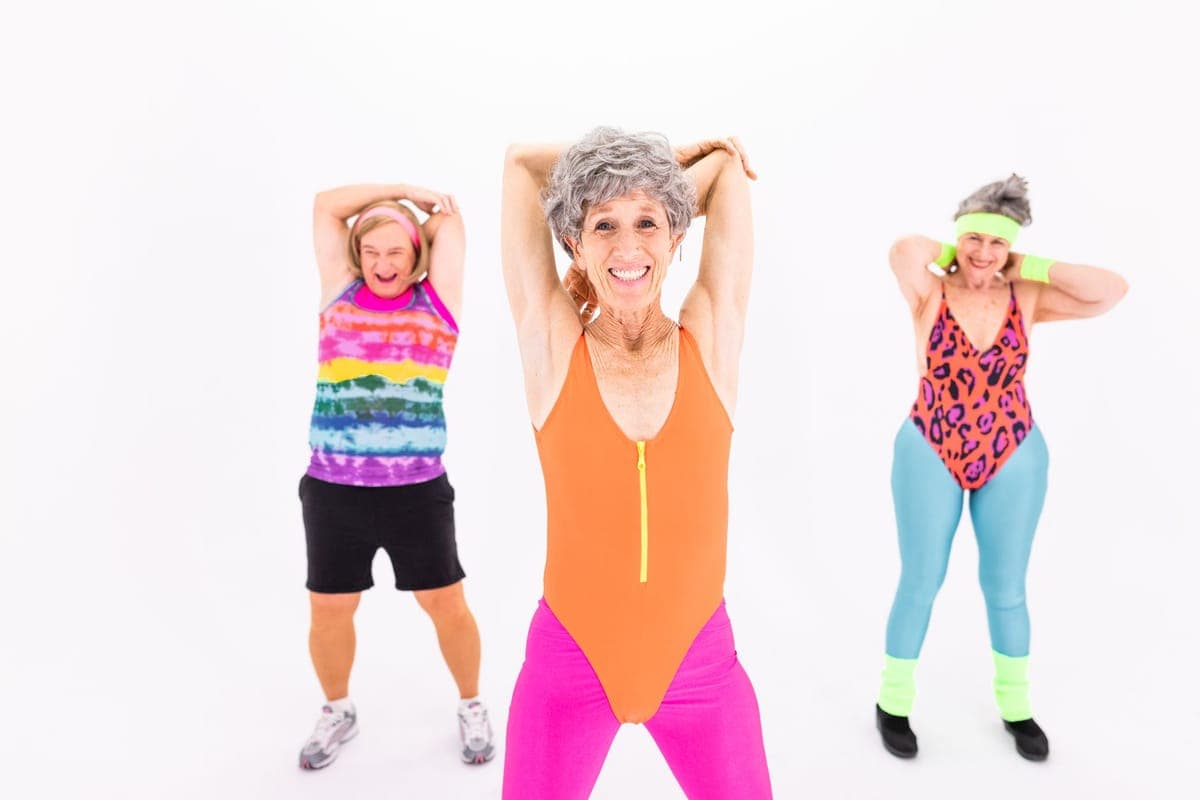
Cardiovascular disease research has historically left women out, but the menopause transition is now being studied, and the findings on exercise are worth knowing.
Your heart after menopause: what the research actually says
Cardiovascular disease takes the lives of one in three women globally, every year. Yet for decades, the research meant to help us understand it has barely included us. In cardiovascular trials registered between 2010 and 2017, only 38.2% of participants were female. That gap matters, because the menopause transition brings its own set of changes to how the heart and blood vessels behave, and most of what we know about heart-disease prevention was built on data from men.
If you are somewhere in perimenopause or post-menopause, that should not be alarming so much as clarifying. The picture is not hopeless. It is under-studied, and that is a different problem.
What shifts during the menopause transition
Menopause is defined as the cessation of menses for at least 12 months in otherwise healthy women aged over 45 years. The hormonal shift that drives it does not just change periods and sleep. It is associated with increased cardiovascular disease risk, including shifts in blood pressure, lipid profile, and how the body handles glucose.
Add to that the natural age-related decline in cardiorespiratory fitness, and you have a window where the heart is asking for a bit more attention than it used to.
What cardiorespiratory fitness actually is, and why it counts
Cardiorespiratory fitness, or CRF, is a measure of how well your heart, lungs, and blood vessels deliver oxygen to working muscles. It is captured in a number called VO2max: how much oxygen your body uses per kilogram of body weight per minute at peak effort. Higher CRF is inversely associated with cardiovascular disease risk in healthy populations, meaning the fitter your cardiorespiratory system, the lower your measured risk tends to be.
CRF is one of the few health markers that responds quickly to training. It is also one you can move the needle on, week by week, in ways that show up on a treadmill or in how a hill feels on your morning walk.
So does exercise move the needle during menopause?
A systematic review and meta-analysis pulling together 78 studies with 5,332 participants looked at exactly this question. The headline finding: there was a favourable effect of exercise versus control on VO2max, improving it by 3.51 mL/kg/min (95% CI 2.75 to 4.27, 1,968 participants, 30 trials).
That number is meaningful. Improvements in cardiorespiratory fitness of around 3 to 4 mL/kg/min have been associated with meaningful shifts in cardiovascular risk markers in broader research, including reductions in systolic blood pressure, which is a major contributor to cardiovascular disease risk.
The review also found that all types of physical activity improved CRF. Not just one style, not just one intensity. Walking, cycling, swimming, strength circuits, mixed programmes, all of them moved the number in the right direction.
Where the research still falls short
The menopause transition itself is a moving target. Hormones shift over years, symptoms come and go, and what works in early perimenopause may look different from what helps five years post-final-period. Most of the included studies did not break participants down by menopausal stage, which makes it hard to give precise week-by-week guidance for wherever you happen to be in the transition.
There is also the participation question. In cardiovascular trials registered between 2010 and 2017, only 38.2% of participants were female, meaning much of the guideline-level thinking about heart disease is built on data that under-represents women. That is changing, slowly, but it is worth knowing when you read any headline that sounds confident about women's hearts.
What to actually do with this
Cardiorespiratory fitness responds to physical activity, and that response seems to hold across the menopause transition. The UK government's Women's Health Strategy for England sets out ambitions to prevent 150,000 heart attacks, strokes, and cases of dementia in women by 2032, with physical activity named as one of the pillars. That is a population-level target, not a personal promise, but it tells you where public-health thinking is landing.
A practical starting point, if you are building or rebuilding:
Pick something you can do most weeks. Three sessions of 30 to 45 minutes, with a mix of aerobic work (brisk walking, cycling, rowing, swimming) and some resistance training, is a sensible baseline. Build gradually. Track how the work feels rather than how the scale moves, since capacity and recovery are better markers in this phase of life.
Get a baseline. A women's health physio, an exercise physiologist, or your GP can help you gauge where your current fitness sits and whether anything in your blood-pressure or lipid picture needs watching.
Talk to your doctor about your specific situation, especially if you have a family history of cardiovascular disease, are on blood-pressure medication, or have not exercised regularly in a while. The clearance conversation is short and worth having.
The menopause transition changes the question your heart is asking of you. It is not asking you to be 25 again. It is asking you to keep showing up. The evidence says that when you do, your cardiorespiratory fitness is ready to respond.
Educational content only. Not a substitute for medical advice. Talk to your doctor about your specific situation.
References
- Yue T, Wang Y, Liu H, Kong Z, Qi F. Effects of high-intensity interval vs. moderate-intensity continuous training on cardiac rehabilitation in patients with cardiovascular disease: a systematic review and meta-analysis. Front Cardiovasc Med. 2022;9:845225.
- Zhang J, Chen G, Lu W, Yan X, Zhu S, Dai Y, Xi S, Yao C, Bai W. Effects of physical exercise on health-related quality of life and blood lipids in perimenopausal women: a randomized placebo-controlled trial. Menopause. 2014;21(12):1269–76.
- Zhang D, Janjgava T, Boutcher SH, Boutcher YN. Cardiovascular response of postmenopausal women to 8 weeks of sprint interval training. Eur J Appl Physiol. 2019;119(4):981–9.
Common Questions
Why does heart disease risk change after menopause?
Research suggests that the hormonal shifts during the menopause transition are associated with changes in blood pressure, lipid profile, and how the body handles glucose. Combined with the natural age-related decline in cardiorespiratory fitness, these shifts can create a window where cardiovascular risk tends to rise. It is worth noting that risk is influenced by many factors, including genetics, lifestyle, and overall health history, rather than menopause alone.
What is cardiorespiratory fitness and why does it matter after menopause?
Cardiorespiratory fitness, often measured as VO2max, reflects how well your heart, lungs, and blood vessels deliver oxygen to working muscles during effort. Higher cardiorespiratory fitness is associated with lower cardiovascular disease risk in healthy populations, which is why it is considered such a meaningful marker. The encouraging part is that it tends to respond to training relatively quickly, so consistent movement habits may support shifts in this number over weeks and months.
What kind of exercise is best for heart health during menopause?
A systematic review and meta-analysis of 78 studies found that all types of physical activity improved VO2max, including walking, cycling, swimming, strength circuits, and mixed programmes. The average improvement was 3.51 mL/kg/min, a change associated in broader research with favourable shifts in cardiovascular risk markers such as systolic blood pressure. Because variety seems to work, the best programme is often the one you can stick with consistently. If you have specific concerns, your doctor or an exercise physiologist can help tailor a plan to your situation.
How quickly can cardiorespiratory fitness improve with exercise?
Evidence suggests that VO2max can respond to training within a matter of weeks, particularly when sessions are regular and progressively challenging. Improvements in the range of 3 to 4 mL/kg/min, similar to those seen in the menopause-focused meta-analysis, have been associated in broader research with measurable shifts in cardiovascular risk markers. Consistency tends to matter more than intensity for most women, and gradual progression helps reduce the risk of injury or burnout.
What else supports heart health during the menopause transition beyond exercise?
Alongside exercise, evidence supports the role of sleep quality, stress management, blood pressure monitoring, and a diet rich in vegetables, fibre, and healthy fats. Because the menopause transition involves hormonal changes that may affect these areas, it is a useful time to review overall lifestyle habits with your GP. If you are navigating specific cardiovascular or hormonal concerns, your doctor can guide you on what monitoring or referrals make sense for your situation.
Jess Mizzi, CPT
Certified Personal Trainer and founder of FitForHer. Specialises in women's life-stage specific fitness — postnatal recovery, perimenopause, and menopause. About Jess →
Medical disclaimer: This article is for informational purposes only and does not constitute medical advice. Always consult a qualified healthcare professional before making changes to your exercise or nutrition programme.