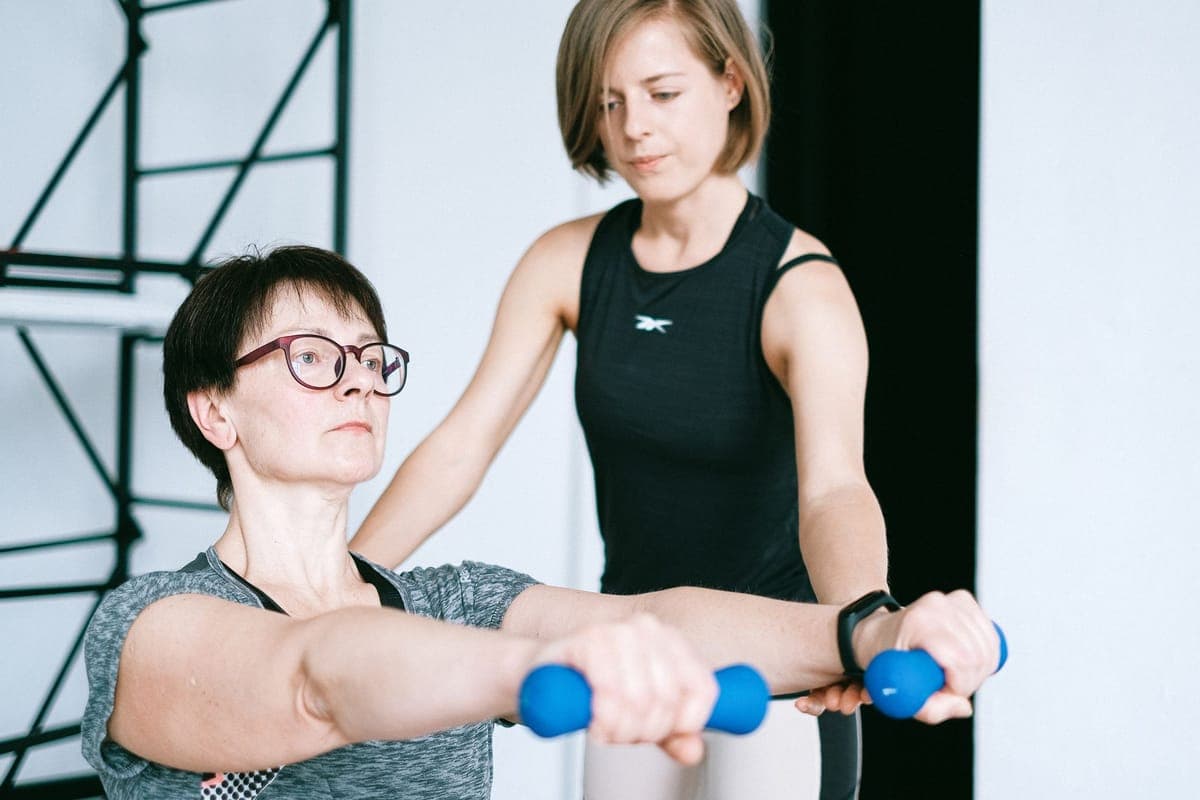
Hormones are shifting, your body feels different, and the usual advice doesn't quite fit, here's what the Australian guidelines say about exercise during perimenopause.
The short answer on perimenopause and exercise in Australia
Perimenopause is the stretch of life leading up to your final period, when oestrogen and other hormones start fluctuating and eventually settle at a lower level. It can last several years and begins with the first signs of menstrual irregularity. Exercise during perimenopause isn't about fighting the transition. It's one of the most practical levers you have to support your body through it, alongside sleep, nutrition and a good GP on your team.
Australia's national physical activity guidance, the 24-hour movement guidelines, is built for adults aged 18 to 64, so perimenopausal women sit squarely inside it. The core recommendation is at least 2.5 hours of moderate to vigorous intensity physical activity each week, with muscle-strengthening activities on at least two non-consecutive days. That sounds modest on paper. In practice, for a woman in her mid-40s or early 50s navigating sleep disruption, hot flushes, joint niggles and a busy life, it can feel like a lot. The good news is that the guidelines also recognise lighter activity. Several hours of light-intensity movement across each day count, and so do 30 minutes on most days when you build them up gradually.
The point of this piece is to unpack why movement matters specifically during perimenopause, what the evidence actually says, where women tend to slip up, and what to do with the information this week.
Why the hormonal shift changes the exercise picture
Oestrogen does far more than run the reproductive show. During perimenopause, oestrogen fluctuates significantly and then declines after menopause. Those shifts reach into muscle, bone, heart and brain health, which is why this phase can feel like everything changes at once.
Muscle is the first thing most women notice. You don't lose it overnight, but the maintenance equation gets harder. Combined with normal age-related decline, the hormonal backdrop makes it easier to lose lean tissue and harder to rebuild it. That matters because muscle is what keeps you strong for everyday tasks, from carrying groceries to playing with kids on the floor and getting back up again.
Bone mineral density naturally declines during perimenopause and continues to decrease in the 10 years following menopause, according to Health and Wellbeing Queensland. Weight-bearing exercise is the main training stimulus that signals your skeleton to hold onto density, which is one reason the guidelines put strength work in the mix rather than leaving it out.
The pelvic floor is another quiet casualty. With the change in hormone levels during perimenopause, these muscles can become weaker, contributing to symptoms such as urinary incontinence. This is not a sign you've done something wrong, and it isn't something you have to put up with silently. Specific pelvic floor training helps, and a women's health physiotherapist can assess and guide you.
The hormonal transition also brings an increased risk of developing chronic disease, such as cardiovascular disease and type 2 diabetes. Regular movement is one of the better-supported ways to work with your body on those risks, alongside the medical care your GP can coordinate.
What the evidence actually says
The honest answer is that "studies show" gets thrown around a lot in this space. Where the evidence is strong is in the basics: regular physical activity is associated with better management of perimenopausal symptoms and a smoother transition, and remaining active beyond perimenopause continues to support long-term health. That language is deliberately cautious because the research is heterogeneous, studies use different exercise doses, and individual responses vary.
What's clearer is the mechanism. Strength training supports lean muscle and bone. Aerobic work supports heart and metabolic health. Both are linked in observational research to better sleep quality and steadier mood during this phase, even though we can't promise those outcomes for any one reader.
The Australian 24-hour movement guidelines are the most useful local anchor. They recommend at least 2.5 hours of moderate to vigorous intensity physical activities each week, plus muscle-strengthening activities on at least 2 non-consecutive days of the week, with several hours of light-intensity activity each day and 30 minutes on most days as a workable target when you're building up. These are public-health targets designed for the population, not an individual prescription. Your starting point depends on what you're doing now, your medical history, and how your body is responding to perimenopause.
If you're managing a specific condition such as osteoporosis, pelvic organ prolapse, a recent surgery, or you're pregnant or postnatal, the picture changes and the guidelines give way to individualised advice from your GP, a women's health physiotherapist, or an Accredited Practising Dietitian.
Common mistakes women make in this phase
The first mistake is dropping intensity too low, too early. Walking is wonderful and absolutely counts, but if it's the only thing you do and you're losing strength, your skeleton and muscles aren't getting the stimulus they need right now. The flip side is the second mistake: going hard in the other direction. Heavy lifting, high-intensity intervals and long runs all have their place, but a body under sleep pressure and hormonal flux often needs a smarter dose, not a harder one.
The third mistake is ignoring recovery. Perimenopausal sleep is often fragmented, and recovery is where adaptation happens. Two strength sessions a week can outperform five if you're sleeping properly between them. Treat sleep, protein intake across the day, and rest days as part of the program, not optional extras.
The fourth is skipping pelvic floor work because it feels embarrassing or invisible. With the change in hormone levels during perimenopause, these muscles can become weaker, contributing to symptoms such as urinary incontinence. A few minutes of focused training most days, ideally assessed by a women's health physiotherapist, is one of the higher-return habits you can add.
Finally, many women stop strength training because they don't see visible muscle change and assume it's not working. The work is happening under the surface, in bone density, metabolic health, joint stability and the ability to keep doing the things you love.
How this differs across life stages
The guidelines for adults 18 to 64 cover the bulk of perimenopause, but the experience shifts depending on where you sit inside it. In your late 30s or early 40s, when cycles first start to wobble, the priority is often building a base of strength and aerobic fitness you can lean on later. Joints tend to be more forgiving, recovery is faster, and the gains from training are quicker.
In the thick of perimenopause, somewhere in the mid-40s to early 50s, the trade-offs change. Sleep is more disrupted. Joints can feel creakier. Hot flushes can spike during intense sessions. Moderate intensity often feels more sustainable, and so does strength work at a load you can move with control rather than grind through.
After menopause, the picture settles into a longer horizon. Physical activity remains essential beyond perimenopause, and the case for strength training and bone-loading work actually strengthens, given the ongoing decline in bone mineral density in the 10 years following menopause. This is also the phase where cardiovascular and metabolic risk becomes more pressing, and aerobic conditioning pays compounding dividends.
If you're pregnant, postnatal, or managing a chronic condition, the same principles apply but the programming does not. Postnatal return to exercise should be cleared by your GP or women's health physiotherapist at your 6-week check or later, and modified from there. Pregnancy brings its own considerations best discussed with your GP and an Accredited Practising Dietitian for nutrition.
What to do this week
Pick one of these and start there. Doing one thing consistently beats planning five things you don't.
1. Book two 25-minute strength sessions for the week. Pick a day, then skip at least one day, then pick another. Aim for compound movements that load your legs, back and hips. If you don't know where to start, a women's health physiotherapist or an exercise professional with experience in this life stage can set you up with a short program.
2. Walk for 30 minutes on most days. That matches the 30 minutes on most days of the week target from the Australian 24-hour movement guidelines. Break it into two 15-minute blocks if mornings are rough or the evenings are yours.
3. Add pelvic floor work to your morning routine. Three sets of focused contractions and relaxations, most days. If you're unsure whether you're doing it right, that's a good reason to see a women's health physiotherapist for a proper assessment.
4. Audit one recovery habit. Pick the weakest link between sleep, protein across the day, or your rest day pattern, and improve that this week. Strength adaptations are built between sessions.
5. Tell your GP what you're doing and what you're noticing. Perimenopause is a good moment to review blood pressure, cholesterol, bone health, and any symptoms that are interfering with training. Your GP can also refer you to a women's health physiotherapist or an Accredited Practising Dietitian if you want more individualised support.
The through-line is simple. Oestrogen fluctuates significantly during perimenopause and declines after menopause, and those shifts touch muscle, bone, pelvic floor, heart and brain. The Australian 24-hour movement guidelines give you a baseline: at least 2.5 hours of moderate to vigorous intensity activity each week, plus muscle-strengthening on at least two non-consecutive days, with several hours of light-intensity movement across each day. Build the dose to where you are now, not where you were at 30, and keep going. Physical activity remains essential beyond perimenopause, and the habits you stack this week are the ones your future self will thank you for.
Educational content only. Not a substitute for medical advice. Talk to your doctor about your specific situation.
References
- Viscomi B, Muniz M, Sattler S. (2025). Managing Menopausal Skin Changes: A Narrative Review of Skin Quality Changes, Their Aesthetic Impact, and the Actual Role of Hormone Replacement Therapy in Improvement.. Journal of cosmetic dermatology
- Motlani V, Motlani G, Pamnani S, Sahu A, Acharya N. (2023). Endocrine Changes in Postmenopausal Women: A Comprehensive View.. Cureus
Common Questions
What is the best exercise during perimenopause?
There isn't one single best type, but a balanced mix tends to serve women best during perimenopause. The Australian 24-hour movement guidelines recommend at least 2.5 hours of moderate to vigorous aerobic activity each week, plus muscle-strengthening work on at least two non-consecutive days, with light activity layered through each day. Strength training is especially important because it supports the lean muscle and bone density that oestrogen fluctuations can otherwise erode. Aerobic work supports heart and metabolic health, while mobility and pelvic floor work round out the picture. A women's health physiotherapist can help tailor the mix if you're dealing with specific symptoms.
How many minutes a week should I exercise in perimenopause?
The Australian guideline target is at least 2.5 hours (150 minutes) of moderate to vigorous physical activity across the week, which works out to roughly 30 minutes on most days. If you're building up from a lower baseline, the guidelines also recognise that several hours of light-intensity movement across each day still count toward your health. The key word is gradual, because joint niggles, fatigue and sleep disruption can make starting fast counterproductive. Most weeks, two strength sessions and five short walks will comfortably meet the recommendation. Talk to your GP before changing your routine if you're managing a chronic condition.
Can exercise help with perimenopause symptoms like hot flushes and poor sleep?
Evidence suggests regular physical activity is associated with better management of perimenopausal symptoms, including sleep quality and mood, though individual responses vary. The research is heterogeneous, so it's worth being cautious about bold claims. Practically, many women find that moderate aerobic work earlier in the day supports sleep without raising body temperature close to bedtime, while strength training helps buffer the muscle and bone changes that the hormonal transition accelerates. If hot flushes are disrupting your nights, a women's health physiotherapist or your GP can suggest strategies alongside movement. Exercise is one useful lever, not a standalone fix.
Is strength training safe during perimenopause in Australia?
Yes, strength training is generally safe and strongly recommended during perimenopause, with a few sensible caveats. If you're new to lifting, starting with bodyweight or light dumbbell work and progressing slowly gives your joints, tendons and pelvic floor time to adapt. Women with symptoms like urinary leakage or pelvic heaviness benefit from a women's health physiotherapist assessment before jumping into heavy loads. If you have osteoporosis, joint replacements or cardiovascular concerns, your GP can guide appropriate programming. The Australian guidelines explicitly include muscle-strengthening activities on at least two days per week, which signals how central this work is.
What mistakes do women make with perimenopause exercise?
A common slip is doing too much cardio and not enough strength, which leaves the muscle and bone changes unaddressed. Another is training at the same intensity as in your 30s without adjusting for recovery, which can compound fatigue and sleep issues rather than relieve them. Many women also stop lifting when niggles appear, when a modified programme would actually help. Finally, some skip pelvic floor work entirely, even though hormonal changes can weaken these muscles and contribute to symptoms like urinary incontinence. A balanced, gradual approach with strength, aerobic and pelvic floor training tends to outperform any single style for this life stage.
Jess Mizzi, CPT
Certified Personal Trainer and founder of FitForHer. Specialises in women's life-stage specific fitness — postnatal recovery, perimenopause, and menopause. About Jess →
Medical disclaimer: This article is for informational purposes only and does not constitute medical advice. Always consult a qualified healthcare professional before making changes to your exercise or nutrition programme.